
In the days leading up to the 2026 U.S. Open, an emotional story began circulating throughout the golf community. At the center of the discussion was a letter reportedly written by Erica Stoll to her daughter, Poppy. While the authenticity of the letter has not been independently verified, its message resonated with thousands of golf fans around the world. Rather than focusing on trophies, rankings, or championships, the letter painted a picture of family life and offered a deeply personal perspective on Rory McIlroy as a father.

According to those who shared excerpts of the letter online, the central theme was not fame or athletic achievement. Instead, it focused on the hope that one day Poppy would fully understand the kind of father she had grown up with. The alleged letter described Rory not simply as one of golf’s most accomplished players, but as a man committed to balancing extraordinary professional responsibilities with the demands of family life. For many readers, this perspective offered a different way of viewing a globally recognized athlete.

Professional athletes often live under constant public scrutiny. Their victories and disappointments are analyzed in detail, while their personal lives frequently become subjects of speculation. Yet family members often experience a version of these individuals that the public rarely sees. In stories involving elite athletes, spouses and children witness sacrifices, routines, and private moments that never appear on television broadcasts. This is partly why the alleged letter attracted such attention: it shifted the focus away from performance and toward personal relationships.
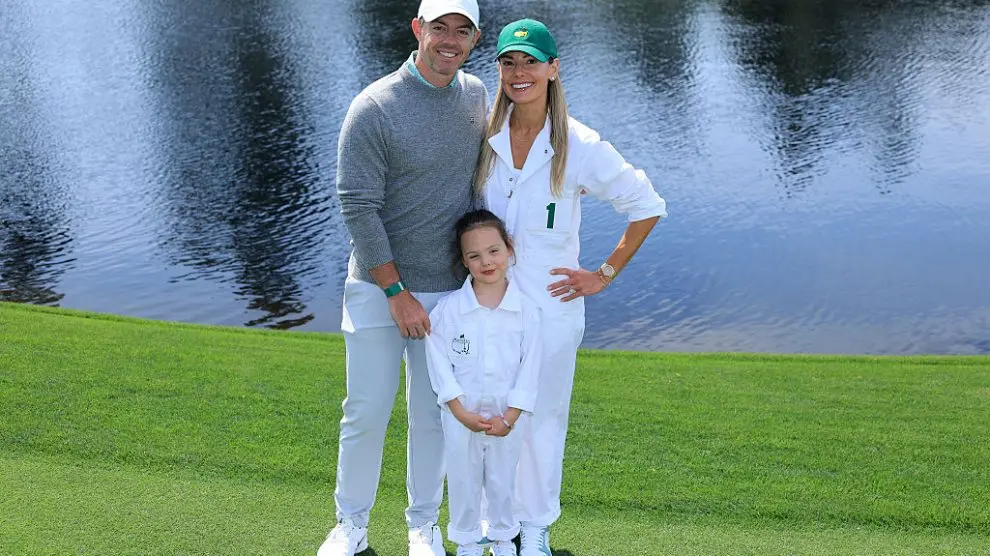
From a psychological standpoint, the role of family in elite sports is frequently underestimated. Research on athlete well-being consistently highlights the importance of stable personal relationships in managing competitive pressure. While fans often associate success with talent and training, emotional support systems can be equally important. Athletes who maintain strong family connections often report greater resilience during difficult periods. The sentiments expressed in the widely shared letter seemed to reflect this reality, emphasizing the human side of life at the highest level of professional sport.
Many readers were particularly moved by passages that reportedly described everyday moments rather than grand accomplishments. Stories about family dinners, quiet conversations, and time spent together resonated because they felt relatable. In an era dominated by social media highlights and carefully curated public images, audiences often connect most strongly with simple and authentic experiences. The popularity of the letter suggested that fans were interested not only in Rory McIlroy the golfer, but also Rory McIlroy the husband and father.
Another reason the story generated such widespread discussion was the contrast between public perception and private reality. Elite athletes are often defined by their competitive identities. Rory McIlroy has spent years being discussed in terms of major championships, swing mechanics, rankings, and records. However, family members frequently evaluate success through entirely different measures. Qualities such as kindness, reliability, patience, and emotional presence may matter far more within a household than achievements on a golf course.
The timing of the story also contributed to its impact. Major championships naturally increase media attention, and narratives surrounding players become amplified during these periods. Fans often seek deeper stories that help explain the people behind the competition. As a result, a personal letter—whether authentic or simply widely believed to be authentic—provided an emotional counterbalance to the intense focus on performance. It reminded audiences that athletes continue to navigate ordinary human experiences even while competing on extraordinary stages.
Particular attention centered on claims that the final section of the letter contained a long-hidden secret about Rory McIlroy. However, much of the online discussion quickly revealed the dangers of speculation. Without verified information, many assumptions emerged regarding what this supposed secret might be. Some suggested it involved personal sacrifices made throughout his career, while others believed it referred to private struggles that had never been publicly discussed. In reality, no reliable evidence emerged to confirm any of these theories.
This reaction illustrates a broader phenomenon in modern sports culture. Emotional stories often spread rapidly because they tap into universal themes such as family, love, and perseverance. Yet the speed of digital communication can sometimes blur the distinction between verified facts and assumptions. Responsible analysis requires recognizing the difference between documented information and rumors. While the emotional appeal of the letter was undeniable, many observers emphasized the importance of treating unverified claims with caution.
From a broader perspective, the discussion surrounding the letter highlighted how public expectations of athletes have evolved. Fans increasingly appreciate qualities that extend beyond competitive success. Leadership, empathy, family commitment, and personal integrity now play significant roles in shaping an athlete’s legacy. This does not diminish the importance of sporting achievement, but it reflects a growing recognition that human character contributes meaningfully to public admiration.
For Rory McIlroy, stories like this reinforce the complexity of life at the highest level of sport. Professional golfers spend countless hours traveling, practicing, competing, and fulfilling media obligations. Maintaining meaningful family relationships within such a demanding schedule requires intentional effort and sacrifice. Whether or not every detail of the letter is accurate, the themes it presented resonated because they reflected challenges familiar to many working parents, regardless of profession.
Ultimately, the widespread response to the story reveals something important about sports audiences. While fans celebrate championships and memorable victories, they are often equally moved by stories of family connection and personal resilience. The alleged letter attributed to Erica Stoll captured attention not because it revealed a dramatic secret, but because it encouraged readers to consider the human side of a global sports icon. In the end, the most powerful message was not about golf at all.
It was about the enduring importance of love, sacrifice, and the relationships that shape a person long before and long after the applause fades.