
Hamilton defends Verstappen: “What’s happening here is damaging Formula 1”
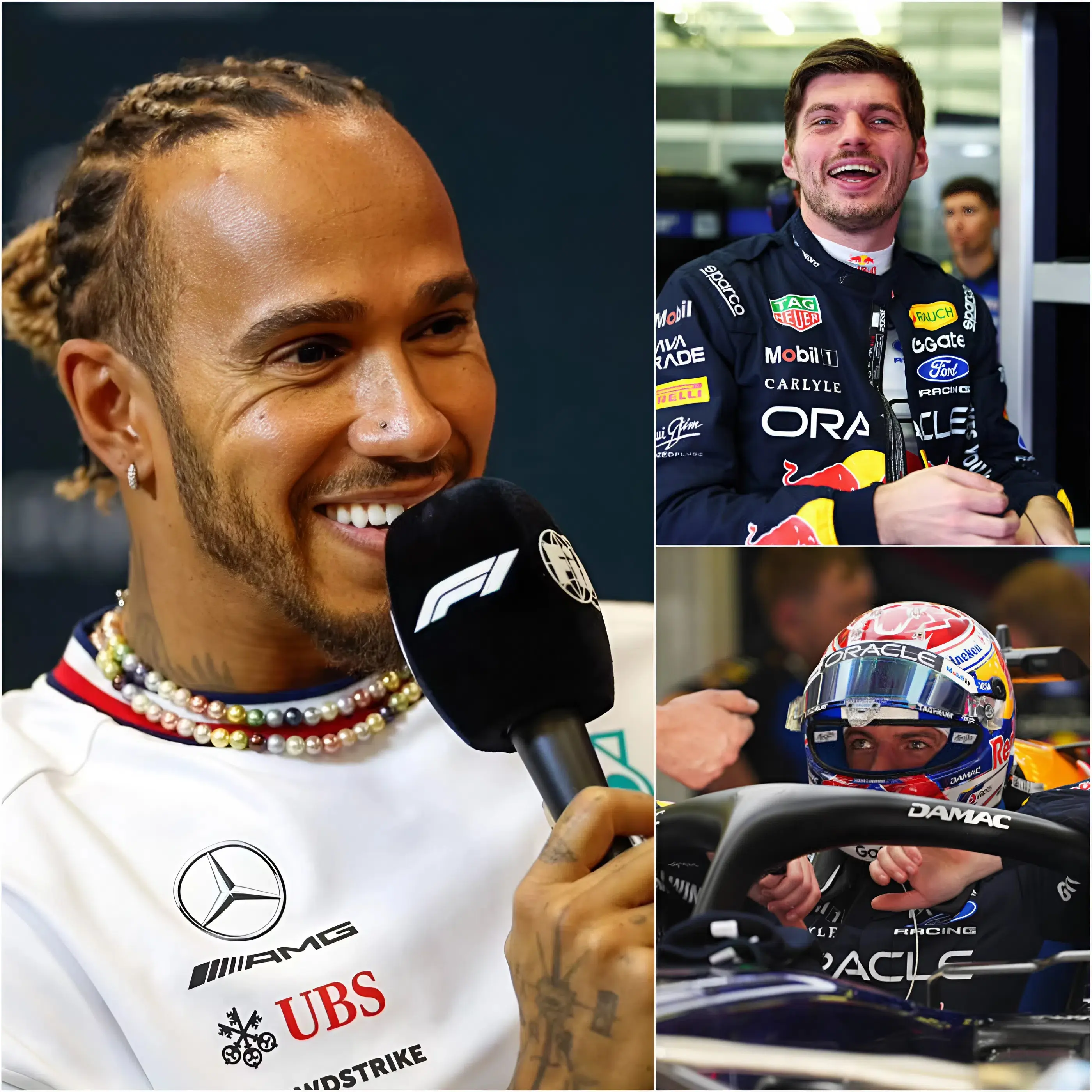
The Formula 1 world was shocked today by Lewis Hamilton’s striking statements, who spoke out emphatically in defense of Max Verstappen. In a sport where rivalry often takes center stage and words are carefully chosen, Hamilton’s remarks were unusually fierce and outspoken. His message was clear: he believes the way Verstappen is currently being criticized is completely out of line.
The context of Hamilton’s statements lies in the growing debate surrounding Verstappen’s driving style, his dominance in recent seasons, and the reactions of analysts and former drivers. While some question certain maneuvers or speak of alleged favoritism by the team, Hamilton sees an exceptional talent who continues to perform under extreme pressure. He believes the Dutchman is being disproportionately criticized in the public debate.
“What they’re doing to him is an absolute disgrace to the sport,” Hamilton reportedly declared. In doing so, he not only sided with a direct rival but also raised a broader question about the culture within Formula 1. In his view, criticism is part of elite sport, but it must remain proportionate and substantive. When personal attacks or exaggerated framing prevail, the sport’s credibility suffers.
Verstappen has emerged as one of the most dominant figures in Formula 1 in recent years. With multiple world titles to his name and a string of impressive victories, he has achieved statistics that place him alongside the greats of the past. Yet, success often provokes resistance. Dominance can evoke admiration, but also irritation and skepticism.
Hamilton, a seven-time world champion himself, knows better than anyone what it’s like to be under scrutiny. During his own dominant period, he also faced criticism for his driving style, his team’s strategic choices, and even his personality off the track. Perhaps he recognizes elements of his own past in the current situation surrounding Verstappen.
According to Hamilton, it’s important to put performances in their proper context. He emphasized that Verstappen not only benefits from strong equipment but also consistently gets the most out of his car. In Formula 1, the difference between winning and losing is often a fraction of a second. That Verstappen is able to deliver week after week under varying conditions, according to Hamilton, demonstrates exceptional class.
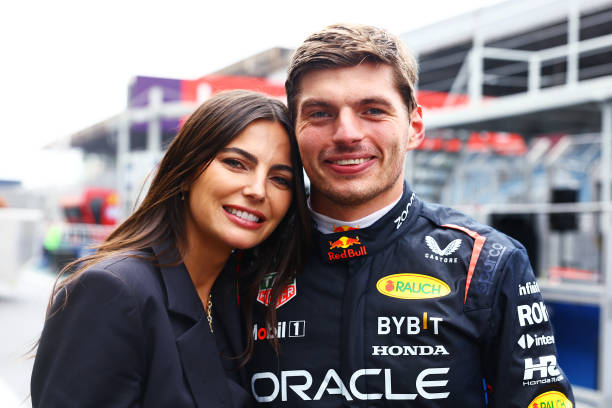
The debate about “the best car” is a recurring theme in sports. Critics argue that dominant drivers simply have the advantage of superior equipment. Proponents point out that even with a competitive car, talent, mental resilience, and strategic insight remain decisive. Hamilton seems to be clearly in the latter camp. In his view, Verstappen is not just a product of Red Bull Racing, but a driver who transcends the team level.
The broader impact of Hamilton’s words is also interesting. In a sport often characterized by internal tensions and political games, open support from a direct competitor is remarkable. It can be seen as a sign of mutual respect between two champions who recognize each other’s abilities, regardless of the on-track rivalry.
Analysts are divided on the remarks. Some praise Hamilton’s sportsmanship and see his intervention as an attempt to moderate the debate. Others question whether his words are simply adding fuel to an already heated discussion. The fact is, Formula 1 isn’t just fought out on the track, but also in the media, press conferences, and social media.
For Verstappen himself, the support comes at a time when he’s under constant observation. Every overtaking move, every strategic decision, and every team radio is analyzed and discussed. That’s part of the level he operates at, but it also increases the pressure. Mental strength is at least as important as technical skill in modern Formula 1.
Hamilton’s reference to “legendary potential” touches on another dimension of the debate: how is greatness defined? Is it the number of titles that matters? The number of victories? Or the way a driver achieves his success? Throughout Formula 1 history, different styles and personalities have become icons. From technical precision to pure aggression, from strategic mastery to instinctive racing talent.

If Verstappen continues his current course, his name will inevitably appear more and more frequently in historical comparisons. Yet, the road to lasting legendary status is long and depends on many factors: consistency, competition, changing regulations, and team dynamics. Hamilton knows this better than anyone; his own career was shaped by different eras within the sport.
The upcoming races will undoubtedly be watched intensely again. Not only because of the championship, but also because of the narrative developing around the key players. Formula 1 has become a global spectacle in which performance, personalities, and perception are closely intertwined.
The precise consequences of Hamilton’s statements remain to be seen. They may contribute to a more nuanced debate about Verstappen’s role in the current generation. Perhaps they will even reinforce the divisions between proponents and opponents. What is certain is that two of the biggest names of their time now, in an unexpected way, seem to be on the same page when it comes to respect for performance at the highest level.
In a sport where thousandths of a second matter, even a single statement can have a major impact. Hamilton has made his position clear: he believes exceptional talent deserves recognition, regardless of rivalry or controversy. The ball is now in the hands of the paddock, the media, and the public to determine how this chapter in Formula 1’s ongoing story will be written.