
Television personality Kathie Lee Gifford has recently stirred conversation after sharing candid thoughts about the current tone of daytime television. Her comments quickly drew attention across entertainment media and social networks, particularly because they referenced the long running talk show The View.
Gifford suggested that modern television discussions often feel dominated by negativity. While reflecting on her experiences in broadcast media, she remarked that “media today is filled with miserable people,” a statement that immediately sparked reactions from both supporters and critics.
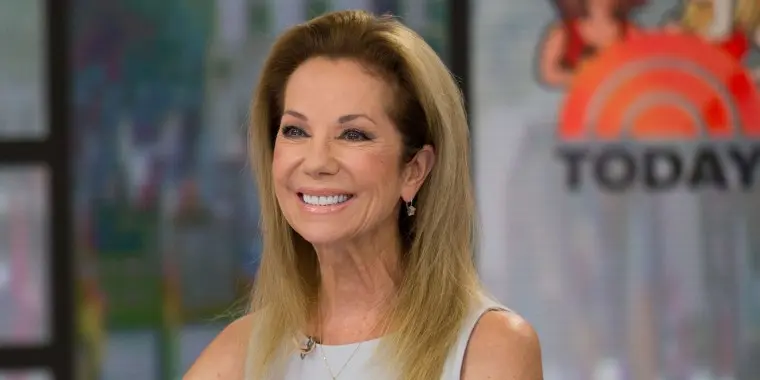
The remark gained additional attention when she referenced The View directly. According to Gifford, there was a time when she felt comfortable appearing on the program and engaging in lively conversations with hosts such as Whoopi Goldberg and Joy Behar.
During earlier years, guest appearances on daytime talk shows often centered on light conversation, humor, and promotion of entertainment projects. Gifford recalled that atmosphere as welcoming and energetic, where discussions occasionally touched on serious issues but rarely felt overwhelmingly tense.
However, she suggested that something about the environment surrounding television discussions today feels different. According to her reflection, the tone of many talk shows has become more intense, with debates that sometimes appear driven by frustration rather than curiosity.
Gifford’s comments did not target a single moment or episode but rather expressed a broader feeling about the evolving culture of televised discussion. In her view, the emotional atmosphere surrounding public conversations has shifted significantly over the years.
The View, which first premiered in 1997, has long been known for combining entertainment news with political and social debate. The panel format allows hosts with differing opinions to engage in discussions about current events and cultural topics.
Over the decades, the program has featured many well-known hosts. Figures like Whoopi Goldberg, Joy Behar, Barbara Walters, and others have helped shape the show’s identity as a space where strong opinions and lively debates regularly take place.
Supporters of The View often argue that the show reflects the intensity of real public conversations. They say its format encourages honest dialogue about difficult issues, even when those conversations become emotional or sharply divided.
Critics, however, sometimes describe the discussions as confrontational or overly political. For them, the program represents a broader shift in media where entertainment, commentary, and political debate increasingly blend together within daytime television.

Gifford’s reflection appeared to connect with this wider debate. Her suggestion that the atmosphere has changed echoes a sentiment shared by some viewers who feel that modern media discussions carry more tension than in previous decades.
At the same time, many media analysts note that television rarely exists in isolation from the social environment around it. Changes in tone often mirror broader cultural shifts occurring within politics, technology, and public discourse.
The rise of social media has also transformed how audiences engage with television commentary. Clips from talk shows circulate online within minutes, where viewers respond instantly with support, criticism, or reinterpretation of what was said.
Because of this rapid circulation, even casual remarks from well-known figures can quickly become viral topics. Gifford’s observation about the mood of modern media spread widely across entertainment blogs and discussion forums soon after it was reported.
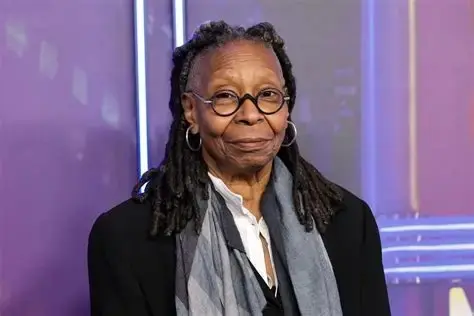
Some viewers agreed with her perspective, suggesting that television debates sometimes appear more heated than necessary. They expressed nostalgia for earlier eras of talk shows that focused primarily on humor, celebrity interviews, and lighter cultural conversations.
Others pushed back, arguing that shows like The View simply reflect the realities of modern society. In their view, audiences expect commentary on important issues, and hosts are responding to that expectation by engaging directly with current events.
Kathie Lee Gifford herself is no stranger to the world of daytime television. For many years she co hosted Live! with Regis and Kathie Lee, a program known for its relaxed tone, celebrity interviews, and playful conversation.
Later she joined the Today show, where she spent more than a decade hosting the fourth hour alongside Hoda Kotb. That segment often blended entertainment, lifestyle topics, and casual discussion with a friendly and humorous atmosphere.
Because of this background, Gifford has experienced several different styles of television conversation throughout her career. Her perspective therefore reflects decades of observation about how broadcasting has evolved over time.
In interviews, she has often emphasized the importance of joy and positivity in media. Gifford frequently describes laughter and kindness as essential elements of communication, particularly in environments designed to entertain large audiences.
When she said media today seems filled with miserable people, some commentators interpreted the remark less as criticism of individuals and more as a broader reflection on the tone of modern public discourse.
Media scholars often note that entertainment and news have gradually merged within many formats. Programs once focused purely on lifestyle or celebrity coverage now incorporate political analysis and social commentary.
This transformation has reshaped audience expectations. Viewers increasingly turn to television personalities not only for entertainment but also for perspectives on major cultural or political debates affecting society.
As a result, hosts often adopt stronger viewpoints than in earlier decades of broadcasting. While some audiences appreciate this directness, others feel it contributes to an atmosphere of constant confrontation.
The View, in particular, has become known for spirited exchanges between panelists with differing political beliefs. These moments sometimes generate headlines, viral clips, and extended debates across digital platforms.
Supporters argue that these discussions reflect the diversity of opinion present in democratic societies. By allowing hosts to disagree openly, the show aims to represent a wide range of viewpoints within public conversation.
Yet critics maintain that the format can sometimes amplify conflict. When disagreements become highly emotional, viewers may interpret the exchanges as evidence of deeper divisions within contemporary media culture.
Gifford’s comments therefore tapped into a conversation that has existed for years. Observers continue debating whether modern talk shows provide valuable discussion forums or whether they encourage unnecessary polarization.
For her part, Gifford did not suggest that she refused to appear on such programs. Instead, she simply expressed that the atmosphere feels different from the one she remembers earlier in her career.
In interviews discussing the topic, she emphasized respect for individuals currently working in television. Her remarks focused more on the overall tone of media rather than specific criticism of the hosts themselves.
Entertainment commentators quickly highlighted this nuance, noting that Gifford has maintained friendly relationships with many figures across the industry throughout her long career in broadcasting.
Even so, the quote about “miserable people” became the headline that captured the most attention. It resonated with audiences who have strong feelings about the direction modern media discussions have taken.
The conversation surrounding her remarks illustrates how media personalities themselves often become part of the debates they describe. When public figures critique the tone of television, their words inevitably become topics of discussion as well.
Whether viewers agree or disagree with her perspective, the reaction shows how closely audiences follow the evolution of daytime talk shows and their role in shaping cultural dialogue.
Programs like The View continue attracting millions of viewers each week, demonstrating that there remains strong interest in lively panel discussions addressing both entertainment and serious social issues.
At the same time, voices like Gifford’s remind audiences that television can take many forms. Some formats prioritize debate and analysis, while others emphasize humor, storytelling, and positive conversation.

Ultimately, the discussion sparked by her comments reflects a broader question about the future of media. As technology and culture evolve, producers and hosts must constantly decide what tone best connects with modern audiences.
For now, the debate continues among viewers, commentators, and industry veterans. Whether television becomes more confrontational or returns to lighter styles of conversation will depend largely on what audiences choose to watch.
One thing remains certain: even brief reflections from experienced personalities like Kathie Lee Gifford can ignite widespread discussion about how media works, how it changes, and what viewers hope to see on their screens.