
🚨 “I’m a burden.” Jayson Tatum broke his silence following the Boston Celtics’ dominant 114-93 victory over the Houston Rockets, a win achieved without him on the court. The Celtics’ impressive performance in his absence had ignited days of speculation, with questions circulating both inside the locker room and across the broader NBA community. Could the Celtics still thrive without their star player? Did Tatum’s absence make the team stronger, or was it simply a temporary fluke? These questions loomed large after Boston’s convincing victory, especially considering the dominant fashion in which they controlled the game without Tatum’s presence.

Yet, Tatum, undeterred by the growing conversation around his role, chose to address the matter head-on, with a statement that carried weight not only within the organization but throughout the league.
“A leader doesn’t need to be on the floor every night to matter,” Tatum said calmly when asked about his absence. The words resonated deeply, reflecting a level of maturity and understanding that went beyond his performance on the court. His message was clear: leadership isn’t just about showing up every night or scoring the most points. It’s about the structure, trust, and overall presence that a player brings to the team — whether they’re on the court or not. Tatum’s perspective highlighted something many often overlook in superstar athletes: their influence extends far beyond the statistics.
It’s about how they shape the culture, the way they impact the team’s mindset, and how they contribute to the development of their teammates. Tatum’s calm response didn’t just downplay the questions about his role but also reaffirmed the essence of his leadership and importance to the Celtics organization.
While Tatum’s words were measured and composed, the larger narrative about the Celtics’ success without him had taken on a life of its own. For some, the team’s ability to dominate Houston without Tatum seemed to indicate a new chapter in Boston’s story: one where the Celtics could win even when their star player wasn’t present. This idea was both empowering and concerning. On one hand, it underscored the depth of the Celtics’ roster, showing that other players, such as Jaylen Brown, Marcus Smart, and others, were more than capable of stepping up when needed.
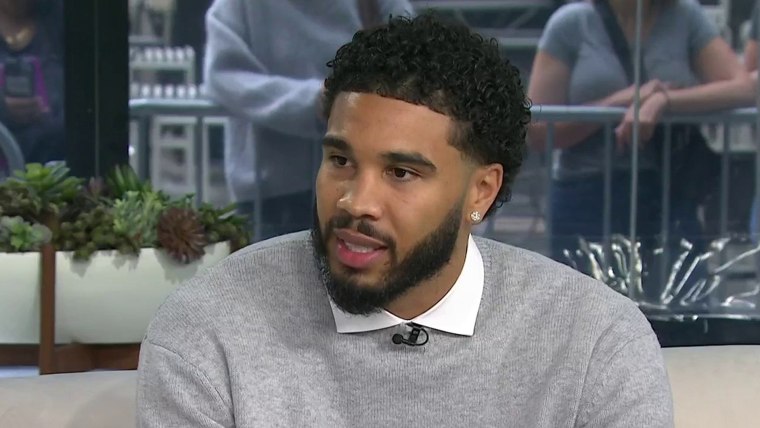
On the other hand, the underlying question remained: if Boston could succeed without Tatum, did they truly need him as much as everyone had believed? The debate grew even more intense in light of Tatum’s brief absence due to rest, which had been part of the Celtics’ long-term plan to manage his workload throughout the season.
For Tatum, however, the success of the team in his absence didn’t signal any loss of value or significance. Instead, he saw it as proof of how deeply his influence ran through the fabric of the team. “I’m not a burden,” Tatum emphasized. “I’m part of the foundation of this team.” This declaration was as much for the public as it was for himself and his teammates. It was a reaffirmation of his commitment to the Celtics’ system, a system he helped build and a system that had continued to succeed even when he was sidelined.
Tatum’s role wasn’t solely about being on the floor every night; it was about the foundational principles he helped instill in Boston’s culture — discipline, ball movement, and the unrelenting defense that had become synonymous with the team. Even when he wasn’t playing, his influence was felt in every possession, in every pass, and in every defensive rotation. His words made it clear that his presence, both on and off the court, remained integral to the team’s identity.
As the Celtics continued to roll without Tatum, the reality began to set in that his absence wasn’t as disruptive as one might have expected. The team’s ball movement was crisp, their defense suffocating, and the overall structure of their game remained intact. Boston’s victory over the Rockets reinforced the idea that the Celtics’ success wasn’t solely dependent on any one player. Instead, it was the result of the collective effort of a group that was well-coached, disciplined, and capable of executing in any situation.
The win also served as a reminder that Tatum’s value wasn’t just in his scoring or his ability to take over games. His true value lay in the system he was a part of — a system built on trust, structure, and shared responsibility. This was a team where no one player was the singular focal point, and everyone knew their role, whether Tatum was on the floor or not.
Despite these team-oriented successes, Tatum’s importance to the Celtics remained undeniable. His leadership, his presence in clutch moments, and his ability to elevate those around him were irreplaceable. Even without him, Boston’s ability to maintain its identity on the court was a testament to the strength of their team structure. But the idea that the Celtics could win without Tatum didn’t diminish his value — it confirmed it. It showed that when a player’s impact is so deeply ingrained in the team’s identity, his absence doesn’t break the system; it only proves the depth of his influence.
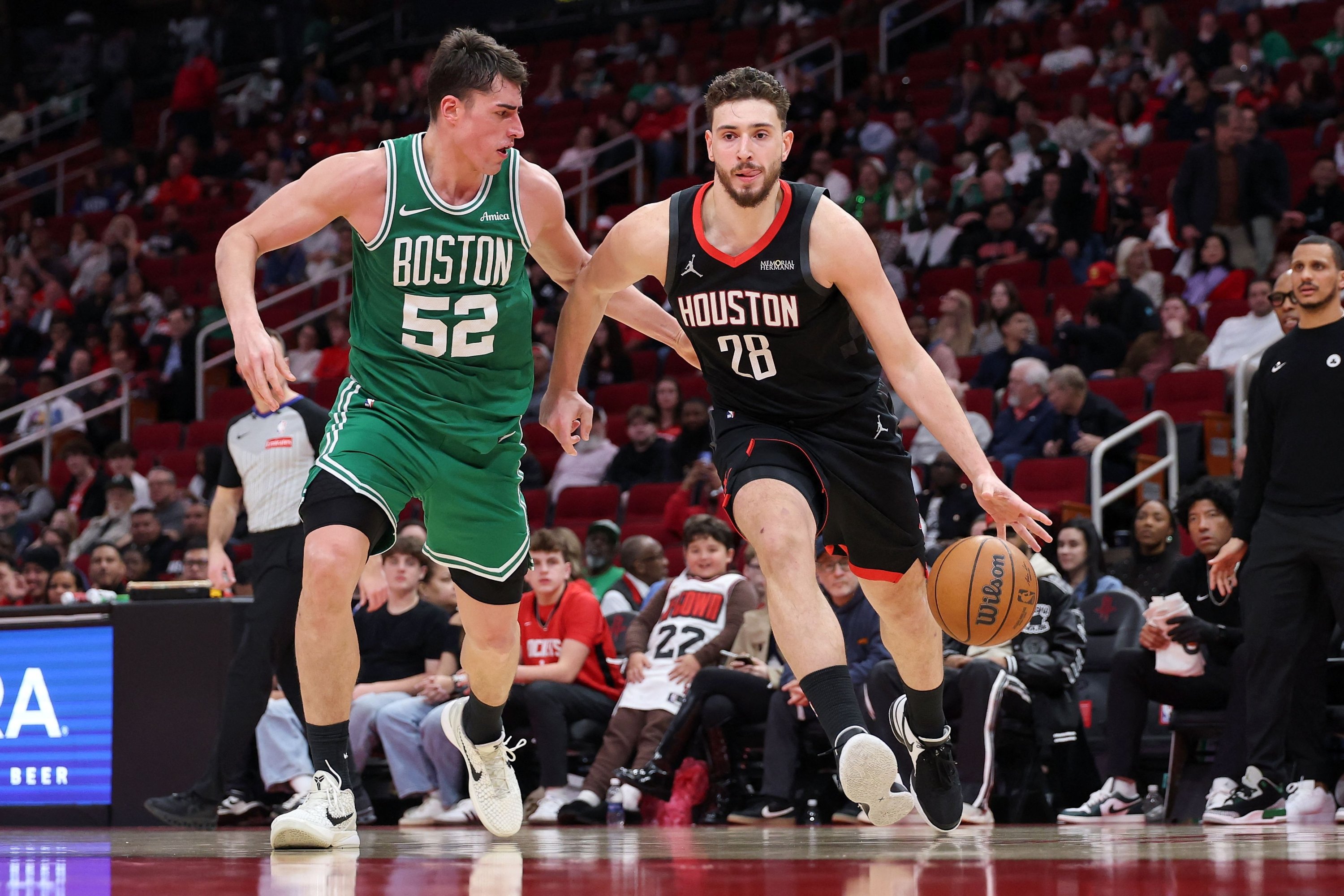
The fact that Boston could continue to dominate without their star player spoke to the consistency of the principles Tatum had helped establish and the culture he had helped build.
For those inside the Celtics’ locker room, Tatum’s extended absence only reinforced what they had known all along: the system didn’t replace him, it reflected him. Tatum’s leadership style had always been one of quiet confidence, focused on developing trust within the team and ensuring that everyone understood their role. His approach to leadership wasn’t about being the loudest voice in the room or demanding attention; it was about showing his teammates that they could depend on one another, regardless of who was on the floor.
It was clear that his absence wasn’t a sign of weakness in the team’s structure but rather a reflection of how well that structure had been developed. The Celtics were playing basketball the right way, and Tatum’s influence — even when he wasn’t playing — was the reason why.
Sources close to the Celtics organization have indicated that Tatum’s role in the team’s success wasn’t just about what he brought on the court; it was about how he helped establish an environment where every player could thrive. Coaches and executives alike have emphasized that Tatum’s leadership, while often subtle, has been instrumental in the Celtics’ rise to prominence. His ability to create space for others, both physically and emotionally, has allowed his teammates to flourish. And when he was out, others stepped up, but the system he helped build didn’t falter.
It was a system built on trust, spacing, ball movement, and defensive intensity — all principles that Tatum had championed from day one.
Even as Tatum rested, his leadership was still present. He wasn’t just a player; he was a symbol of what the Celtics were working toward. And when the team continued to succeed without him, it wasn’t a sign of his diminished importance; it was a testament to his legacy within the organization. As much as Tatum’s physical presence on the court was valuable, his emotional and strategic influence was irreplaceable. And as the Celtics continue their journey through the season, one thing is clear: Jayson Tatum is not a burden, he’s the cornerstone of everything the team has built. His absence only confirmed the power of his impact.