
The MMA world has been thrown into absolute turmoil after Khamzat Chimaev launched a shocking verbal attack against Sean Strickland following their highly controversial battle at UFC 328. Fans across the combat sports community were left stunned after Chimaev publicly accused Strickland of being “a fraudulent fighter” while also claiming that the official scorecards had been manipulated behind the scenes to change the true result of the fight. The explosive accusations immediately ignited fierce debates throughout social media platforms, sports forums, and MMA analysis channels worldwide.
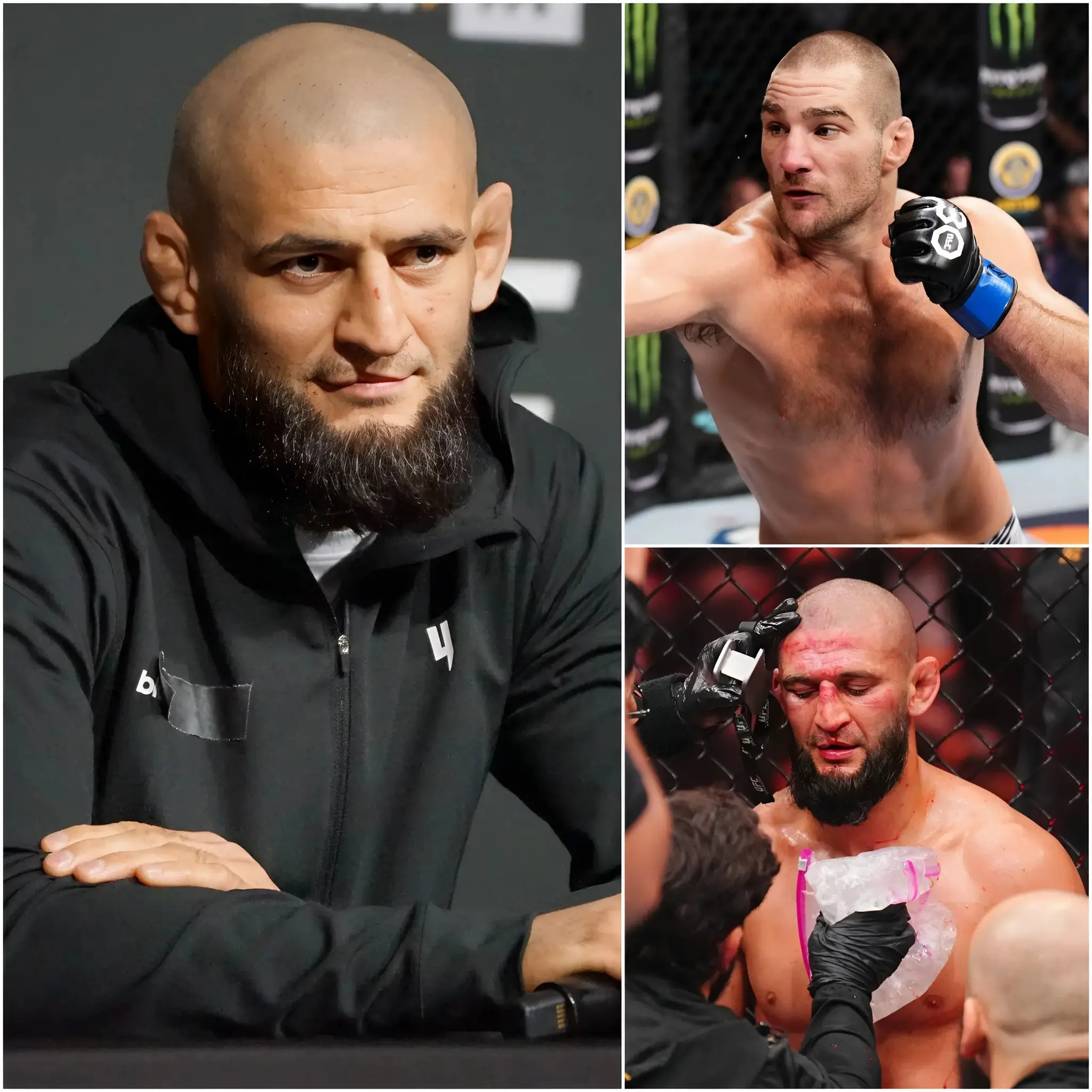
According to statements that quickly circulated online, Chimaev appeared furious during the post-fight interviews, insisting that he had clearly dominated key moments of the contest and deserved the official victory. The undefeated star claimed that what fans witnessed inside the cage did not match the judges’ final decision, adding even more fuel to an already heated rivalry that has captured global attention for months leading into the event. Many supporters of Chimaev argued that several rounds appeared closer than the scorecards suggested, while Strickland fans defended the official ruling with equal passion.
The dramatic confrontation between the two fighters had already been promoted as one of the most emotionally charged matchups in recent UFC history. Long before entering the octagon, both competitors exchanged insults, questioned each other’s fighting credentials, and promised complete domination inside the cage. However, few expected the aftermath of the fight to escalate into accusations involving alleged manipulation and possible legal action. Chimaev’s words instantly transformed what should have been a celebration of competition into a massive controversy overshadowing the entire event.
Throughout the fight itself, both athletes displayed extraordinary aggression and determination. Chimaev aggressively pushed forward with relentless pressure, utilizing his wrestling skills and explosive striking combinations to overwhelm Strickland during several exchanges. Meanwhile, Strickland responded with disciplined defense, calculated jabs, and strong counterattacks that impressed many judges and analysts watching cageside. The competitive nature of the contest created immediate disagreements among viewers regarding who truly deserved the victory once the final bell sounded.
When the official scorecards were announced, the arena erupted with mixed reactions. Some fans cheered loudly for Strickland’s victory, while others booed intensely, believing Chimaev had done enough to secure the win. Moments later, cameras captured Chimaev appearing visibly frustrated as he spoke with coaches and officials near the octagon. That frustration eventually exploded into public accusations that have now become the biggest talking point in the MMA industry following UFC 328.
In one particularly emotional statement, Chimaev reportedly declared that Strickland was “nothing but a fraudulent fighter” and completely unworthy of respect. The harsh comments instantly spread across sports media websites and social networks, with many observers describing the situation as one of the most explosive post-fight reactions in recent UFC memory. Critics quickly questioned whether Chimaev’s emotions had clouded his judgment, while supporters argued that fighters have the right to challenge controversial decisions if they genuinely believe injustice occurred.
Adding even more drama to the situation, Chimaev claimed that the “real outcome” of the fight differed entirely from what appeared on the official scorecards. He alleged that external influence had altered the decision behind closed doors, though no evidence supporting those claims has publicly emerged. The accusations shocked not only fans but also analysts, former champions, and journalists who closely follow the UFC. Many immediately called for caution, emphasizing that such allegations are extremely serious and could potentially damage reputations throughout the organization.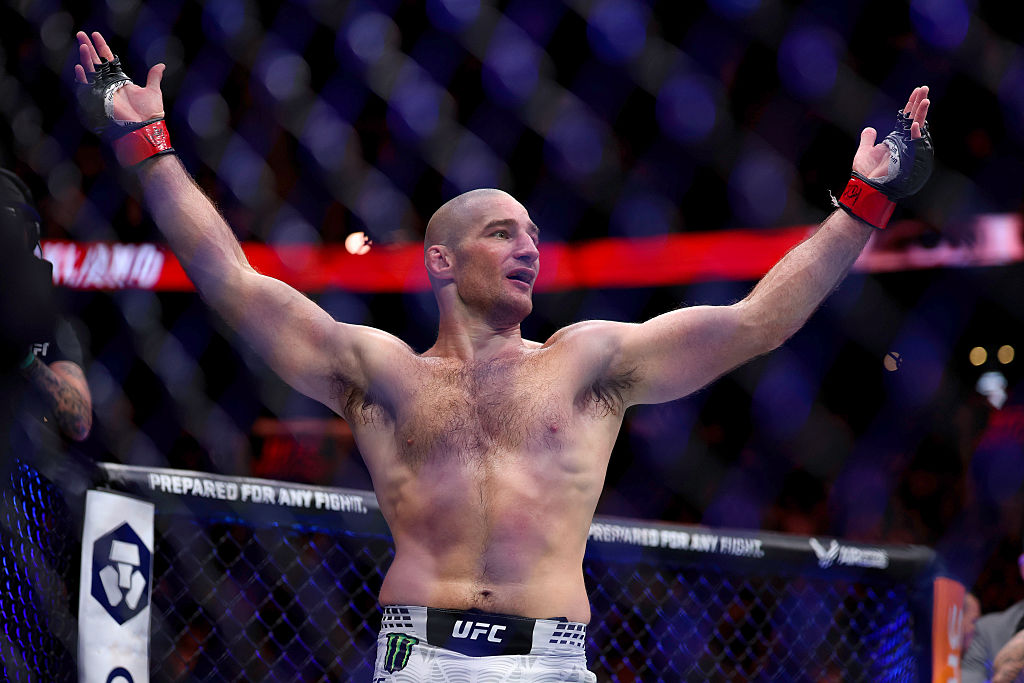
The controversy surrounding judging decisions has long existed within mixed martial arts. Over the years, numerous fighters have criticized scorecards after narrow defeats, arguing that judges sometimes fail to properly evaluate damage, aggression, octagon control, or effective grappling. However, outright claims of manipulation represent a far more dangerous accusation, especially when made publicly by one of the sport’s biggest stars. That is why Chimaev’s statements generated such immediate international attention across the combat sports community.
Meanwhile, Sean Strickland responded calmly during interviews conducted after the event. The outspoken former champion appeared surprised by the accusations but maintained confidence in the legitimacy of his victory. Strickland insisted that he followed the game plan prepared by his coaching team and believed the judges rewarded his cleaner striking and defensive composure throughout the fight. He also dismissed suggestions that external factors influenced the official outcome, arguing that controversies often follow extremely competitive championship-level contests.
Social media platforms exploded with divided opinions immediately after clips of Chimaev’s comments began circulating online. Supporters of the Chechen-born fighter accused the UFC judging system of inconsistency and bias, while others criticized Chimaev for refusing to accept defeat gracefully. Hashtags connected to UFC 328 rapidly trended worldwide as millions of fans debated individual rounds, exchanged statistics, and posted slow-motion clips attempting to prove their preferred interpretation of the fight.
Several former UFC fighters also entered the discussion by offering their own analysis regarding the controversial decision. Some veterans believed Chimaev’s relentless pressure and takedown attempts deserved greater recognition from the judges, while others felt Strickland’s composure and striking accuracy clearly justified the official scorecards. The split opinions demonstrated just how competitive and difficult the fight had been to score in real time. Nevertheless, few experts supported Chimaev’s accusations involving manipulation without concrete evidence.
The UFC organization itself has not released any indication suggesting irregularities connected to the judging process at UFC 328. Athletic commissions overseeing major MMA events typically maintain strict procedures designed to protect the integrity of scoring and officiating. Judges are selected independently, and their evaluations remain separate from promotional influence. For that reason, many observers warned against spreading unverified claims that could undermine trust in the sport without credible proof supporting the allegations.
Despite widespread criticism, Chimaev doubled down on his comments during additional interviews shared online after the event. He insisted that his legal team would explore possible action in pursuit of what he described as justice. The possibility of legal proceedings immediately became another major topic dominating MMA headlines. Fans wondered whether Chimaev genuinely intended to challenge the result formally or whether the statements reflected emotional frustration immediately following an intensely competitive fight.
Legal experts familiar with combat sports regulations noted that overturning official MMA results remains extremely rare unless clear procedural violations, failed drug tests, or officiating errors can be proven beyond doubt. Subjective disagreements regarding judging criteria typically do not lead to legal reversals. Even so, the mere suggestion of legal action intensified media attention surrounding the controversy and guaranteed that discussions about UFC 328 would continue dominating headlines for weeks.
The rivalry between Chimaev and Strickland had already become one of the UFC’s most profitable storylines before the event occurred. Both fighters possess outspoken personalities, aggressive fighting styles, and loyal fan bases willing to passionately defend them online. Their pre-fight press conferences frequently devolved into heated verbal confrontations filled with insults and personal attacks. Consequently, many fans expected controversy regardless of the final result, though few anticipated accusations this explosive.
For Chimaev specifically, the emotional reaction reflected the immense pressure surrounding his career trajectory. Considered one of the most dangerous fighters in modern MMA, Chimaev entered UFC 328 carrying enormous expectations from supporters who believed he would dominate Strickland decisively. A disputed loss therefore represented not only professional disappointment but also a potential setback regarding future title opportunities and his growing legacy within the sport.
On the other side, Strickland’s supporters argued that the controversy unfairly overshadowed his performance. They emphasized that he remained composed under relentless pressure and executed an intelligent tactical strategy against one of the division’s most feared competitors. Many fans praised Strickland for maintaining professionalism while responding to accusations, noting that emotionally charged reactions often occur immediately after high-stakes fights where adrenaline remains extremely elevated.
The situation also reignited broader conversations about judging transparency in MMA. Critics of the current system argued that controversial scorecards continue damaging the credibility of the sport and increasing hostility between athletes and officials. Some suggested implementing open scoring systems, where fighters learn judges’ scores during the contest itself, while others advocated for expanded judging panels or additional technological analysis to reduce controversy surrounding close decisions.
Media coverage surrounding UFC 328 intensified dramatically because of the explosive accusations. Sports television programs dedicated entire segments to analyzing individual rounds and discussing whether Chimaev’s frustration was understandable. YouTube analysts published lengthy breakdown videos examining striking statistics, takedown attempts, cage control, and damage inflicted during the fight. Every angle of the contest became subject to microscopic scrutiny as fans searched for evidence supporting their preferred interpretation.
Interestingly, some neutral observers argued that both fighters benefited financially from the controversy despite the negative headlines. Heated rivalries often attract enormous public attention, increasing pay-per-view sales and generating anticipation for possible rematches. Several analysts speculated that UFC executives might even consider organizing a second fight between Chimaev and Strickland given the extraordinary fan interest created by the dramatic aftermath of UFC 328.
The emotional intensity surrounding combat sports frequently creates situations where athletes struggle to process defeat calmly immediately after competition. Fighters sacrifice months preparing physically and mentally for a single night inside the cage, making controversial outcomes especially painful. Nevertheless, many veteran analysts stressed the importance of maintaining professionalism when discussing officiating, particularly when accusations involve alleged corruption or manipulation without supporting evidence.
As discussions continued online, numerous fans revisited historical UFC controversies involving disputed decisions. Legendary fights throughout MMA history have produced fierce debates regarding judging, with some outcomes remaining controversial decades later. However, very few fighters escalated frustrations into allegations of deliberate manipulation combined with threats of legal action. That distinction explains why Chimaev’s comments attracted extraordinary media attention far beyond typical post-fight disappointment.
Another factor intensifying public reaction involved Chimaev’s enormous global popularity. Over recent years, he has emerged as one of the UFC’s fastest-rising superstars due to his dominant performances, fearless personality, and massive social media following. Statements made by such influential athletes naturally generate enormous discussion because millions of fans closely monitor every development connected to their careers and personal lives.
Meanwhile, some analysts warned that prolonged controversy could negatively impact both fighters moving forward. Endless debates regarding judging might overshadow future achievements, distract from athletic preparation, and create unnecessary hostility among fan communities. Others believed the drama would eventually fade once new major fights captured public attention, as often occurs within the constantly evolving world of combat sports entertainment.
The UFC now faces the challenge of managing one of the year’s biggest controversies while protecting the organization’s reputation for competitive integrity. Officials understand that public confidence in judging remains essential for maintaining credibility among athletes, fans, broadcasters, and sponsors. Any suggestion of manipulation therefore carries potentially serious consequences even when unsupported by evidence. For that reason, many observers expect the organization to address the accusations carefully in upcoming statements or interviews.
At the same time, fans continue passionately debating the actual outcome of the fight itself. Some insist Chimaev’s aggression and wrestling pressure should have earned him victory, while others believe Strickland’s striking accuracy and defensive composure deserved recognition from judges. The disagreement demonstrates the inherently subjective nature of MMA scoring, especially during closely contested rounds where different criteria can influence interpretations significantly.
Regardless of where opinions ultimately fall, UFC 328 has unquestionably become one of the most controversial events in recent MMA history. The combination of elite competition, heated rivalry, disputed judging, emotional accusations, and possible legal threats created a perfect storm dominating sports headlines across the world. Whether Chimaev eventually provides evidence supporting his claims or chooses to move forward toward future challenges remains uncertain.
For now, the MMA community remains deeply divided regarding both the fight and the explosive aftermath surrounding it. Supporters of Chimaev continue demanding justice and transparency, while Strickland fans defend the legitimacy of the official decision and criticize the accusations as irresponsible. What remains undeniable is that the controversy has dramatically intensified interest in both fighters and ensured that conversations about UFC 328 will continue long after the final bell.
As the dust slowly settles, many fans are already calling for an immediate rematch between the two rivals. A second showdown could potentially settle lingering questions inside the cage while offering both athletes another opportunity to prove superiority beyond controversy. Until then, the explosive accusations launched by Khamzat Chimaev against Sean Strickland will remain one of the most talked-about stories in the world of mixed martial arts.