
In a single, explosive moment on Philippine morning television, veteran broadcaster Pinky Webb did something few expected: she stepped directly into the line of fire to shield 20-year-old tennis star Alexandra Eala from a barrage of harsh, personal criticism delivered live on air by fellow journalist Karen Davila.

The exchange, which aired on February 25, 2026, during a segment discussing Eala’s recent Dubai Championships controversy, quickly spiraled from sports commentary into raw emotional confrontation — and then into a nationwide reckoning about respect, media responsibility, and the treatment of young Filipino athletes on the global stage.
It began innocently enough. The topic was Eala’s decision to reject a rumored multi-million-dollar sponsorship offer from Elon Musk earlier in the month — a choice many had already hailed as a powerful statement of integrity. But when the conversation turned to the ongoing umpiring dispute from Dubai (where Eala claimed a chair umpire’s error cost her the match), Karen Davila shifted tone sharply.
“Alexandra needs to stop playing the victim card every time she loses,” Davila said on air. “She’s talented, yes, but she’s also becoming known for excuses — blaming officials, blaming pressure, blaming everything except her own performance. At some point, she has to grow up and accept that not every loss is a conspiracy.”
The words landed like a slap. The studio went quiet for a split second. Then Pinky Webb — normally the calm, measured moderator — leaned forward, eyes narrowing.
“Karen, stop,” Webb interrupted, voice low but firm. “You’re talking about a 20-year-old girl who has carried the weight of an entire country’s expectations since she was a teenager. She’s not making excuses — she’s calling out what she believes was a genuine mistake. And even if she’s wrong, she has every right to speak. But you? You’re a seasoned journalist. You should know better than to belittle her on national television.”

Davila pushed back: “I’m just saying what a lot of people are thinking. She can’t keep crying foul every time things don’t go her way.”
That was the moment Pinky Webb’s composure cracked — but not in anger. In protection.
“No,” Webb said, voice rising slightly. “What a lot of people are thinking is that it’s easy to tear down a young Filipina when she’s succeeding on the world stage. It’s easy to call her dramatic when she fights for fairness. But it’s not easy to be her — to leave home at 13, train alone in foreign countries, represent 110 million people every time she steps on court, and still smile for the cameras afterward. If you can’t support her journey, then at least don’t humiliate her. She’s not your punching bag.”
The studio fell silent. Webb’s eyes glistened. She took a breath, then added the line that would soon echo across every social-media platform in the Philippines:
“If you can’t help, then don’t belittle the young Filipino athlete.”
Eleven words. Quiet. Unscripted. Devastating.
Karen Davila sat back, visibly rattled. For the first time in the segment, she had no quick comeback. The camera caught her swallowing hard, glancing down at her notes.
Within minutes, clips of the exchange flooded TikTok, Facebook, X, and Instagram. Filipinos at home and abroad shared the moment with captions like “Pinky said what we’ve all been feeling,” “Finally someone defended Alex,” and “This is why we love Pinky Webb.” The hashtag #PinkyDefendsEala trended number one nationally within the hour.
Alexandra Eala — who had been training in Europe and was not watching live — saw the clip later that evening. Her response came via Instagram Stories: a simple screenshot of Pinky’s words, followed by an 11-word message of her own:
“Thank you, Pinky, for standing up when I couldn’t. You’re family.”
She added a single red heart emoji.
The post received over 1.4 million likes in 12 hours — more than any tennis-related post she had ever shared.
The fallout was swift and multi-layered.
Media circles were divided. Some praised Pinky Webb for her courage and maternal instinct; others accused her of overstepping her role as moderator and injecting personal bias into the discussion. Karen Davila issued a brief statement the next morning: “My intention was never to hurt Alexandra. I was offering constructive criticism, but I acknowledge my words came across harshly. I apologize if they caused pain.”
But the public was not in a forgiving mood. Netizens unearthed old clips of Davila praising other athletes’ “mental toughness” while criticizing Eala’s emotional responses, leading to accusations of double standards and subtle bias against Filipina athletes.
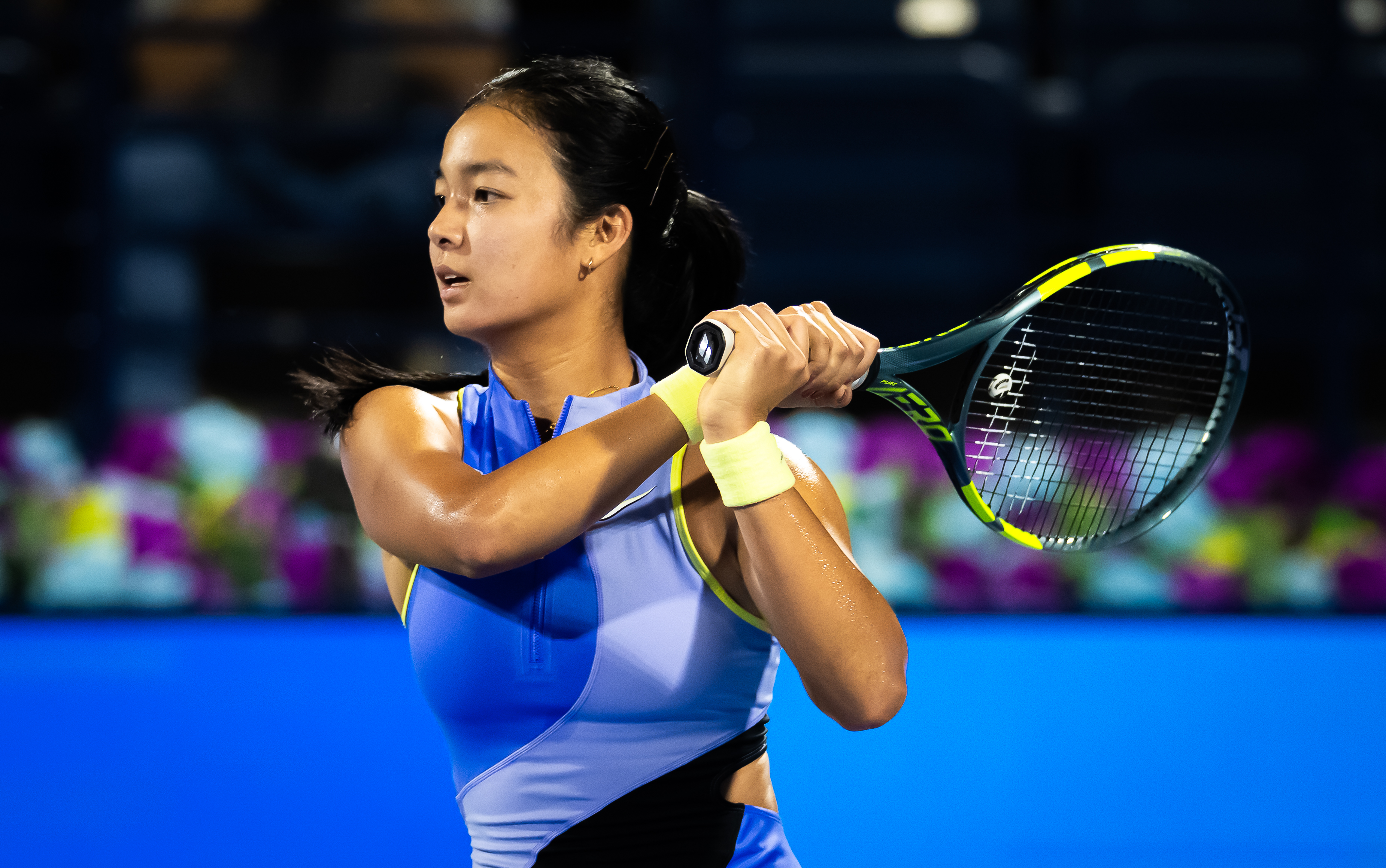
Philippine sports authorities weighed in. The Philippine Sports Commission released a statement supporting Eala: “We stand with Alexandra and commend those who defend her dignity during difficult moments.”
Tennis icons also spoke up. Rafael Nadal reposted Webb’s clip with the caption “Respect.” Coco Gauff wrote: “This is why we need more Pinkys in the world — people who protect the next generation.” Even retired Filipino tennis legend Felicisimo Ampon’s family shared the video, calling it “a proud moment for Pinoy sports media.”
For Alexandra Eala herself, the incident came at a pivotal time. She had just returned to training after the Dubai controversy (where she claimed — and many fans believed — a wrong call cost her the match). The public defense from Pinky Webb gave her something priceless: permission to breathe.
In a follow-up Instagram post two days later, Eala wrote:
“I’ve always tried to stay strong in front of the cameras. But I’m human. There are days I doubt myself. Thank you, Tita Pinky, for reminding me — and every young Filipina — that it’s okay to feel, and it’s okay to be defended. I will keep fighting. For myself. For my family. For the Philippines.”
The story has become much larger than tennis. It has turned into a national conversation about how young Filipina women are treated in the spotlight — expected to be perfect, stoic, unbreakable, yet punished when they show vulnerability or demand fairness.
As the debate rages on television, radio, and social media, one thing is clear: Pinky Webb didn’t just defend Alexandra Eala that morning.
She defended every young girl who has ever been told their feelings make them weak, their ambition makes them arrogant, and their voice makes them “too much.”
And in doing so, she reminded the country — and the world — that sometimes the strongest serve isn’t hit with a racket.
It’s spoken with quiet conviction in a television studio when no one else will.