
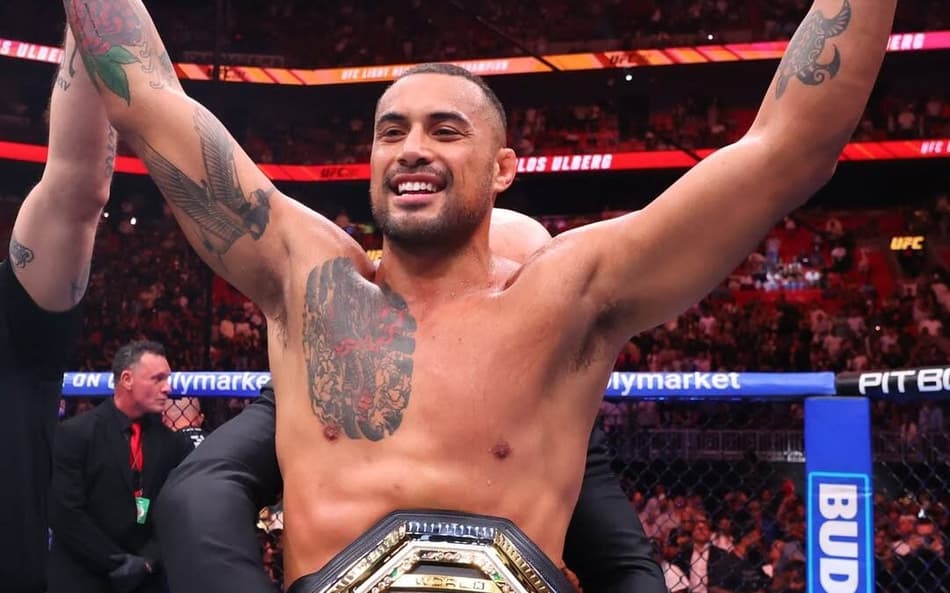
Carlos Ulberg has once again shown that true greatness in mixed martial arts reaches far beyond the intense battles inside the octagon. The New Zealand fighter captured the UFC light heavyweight championship at UFC 327 with a stunning first-round knockout victory over Jiří Procházka. Right after this monumental win, he made a heartfelt announcement that touched the entire MMA community deeply. Ulberg decided to donate his entire prize money from the event to support cancer patients, focusing especially on young children facing this challenging disease. This generous choice highlights a level of compassion rarely seen in professional sports.

Winning a UFC title represents the peak of achievement for any fighter in the sport. Carlos Ulberg overcame significant adversity during the fight at UFC 327 held in Miami. He suffered an apparent knee injury early in the bout yet still managed to land a powerful left hook followed by ground-and-pound strikes. The knockout came at 3:45 of the first round, crowning him the new champion. Instead of celebrating solely with personal rewards, he chose to redirect the substantial earnings toward a noble cause. This act transforms his victory into something much more meaningful for society.
The donation targets funds aimed at covering essential treatment costs for cancer patients. Medications, medical procedures, and ongoing therapies often create overwhelming financial burdens for families. Ulberg’s contribution will help ease these pressures, allowing more focus on healing and recovery. Emotional care programs also form a vital part of the support, providing counseling and resources for both patients and their loved ones. By dedicating the full prize money, he ensures direct and impactful assistance reaches those in need most urgently. Young children battling cancer receive special emphasis in this initiative, bringing hope where it is desperately required.
Many athletes earn significant sums from high-profile fights like the main event at UFC 327. Prize money at this level can represent life-changing amounts for competitors and their teams. Carlos Ulberg, known as “Black Jag,” opted not to retain any portion for himself or his immediate circle. This selfless decision stands out in a world where financial success often takes priority after hard-fought victories. His choice reflects deep personal values shaped by experiences both inside and outside the cage. It sends a powerful message about using one’s platform for positive change beyond athletic accomplishments.
The MMA community reacted with widespread admiration and respect following the announcement. Fans, fellow fighters, and commentators praised Ulberg for turning a career highlight into a humanitarian effort. Social media platforms filled with messages of support and inspiration drawn from his example. Stories of his generosity quickly spread, inspiring discussions about the role of athletes in addressing real-world issues like cancer support. This response underscores how acts of kindness can resonate more strongly than even the most impressive knockouts in the octagon.
Carlos Ulberg’s background adds layers of meaning to this compassionate gesture. Hailing from New Zealand, he rose through the ranks via Dana White’s Contender Series before establishing himself as a top contender in the UFC light heavyweight division. His journey involved numerous challenges, including tough opponents and personal setbacks. Overcoming a visible knee injury during the title fight at UFC 327 exemplified his resilience and determination. Extending that same strength to help cancer patients demonstrates consistency in character, proving that his fighting spirit applies equally to life outside competition.
Cancer remains one of the most difficult health challenges worldwide, affecting millions of families each year. Treatments continue to advance, yet costs and emotional tolls stay incredibly high for many. Initiatives that fund direct patient support make a tangible difference in access to care. Ulberg’s donation contributes to these efforts by prioritizing young children who show remarkable bravery in their battles. Their stories often highlight innocence combined with extraordinary courage, motivating greater community involvement in cancer causes.
In the post-fight interview setting at UFC 327, Ulberg shared thoughts that captured his motivation clearly. He expressed that the joy of victory feels complete only when shared with those needing hope the most. This perspective shifts focus from individual glory to collective well-being. His words emphasized that the action was not intended for publicity but for creating real, lasting impact. Such humility enhances the significance of the donation, making it a genuine expression of empathy rather than a calculated move.
Professional mixed martial arts demands intense physical and mental preparation from athletes like Carlos Ulberg. Training regimens, weight cuts, and fight strategies require total dedication for months leading up to events. The light heavyweight title bout against a former champion like Jiří Procházka tested every aspect of his skills. Securing the win under those conditions already marked an impressive feat. Adding a full prize money donation afterward elevates the achievement, blending sporting excellence with meaningful philanthropy in one unforgettable night.
Support for cancer patients extends beyond medical bills to include holistic care elements. Programs funded by donations like Ulberg’s often cover transportation to treatment centers, nutritional assistance, and family counseling services. These aspects help maintain quality of life during difficult periods. Young patients particularly benefit from age-appropriate emotional support that addresses fears and uncertainties. By directing resources toward such comprehensive aid, the fighter contributes to a broader network of care that strengthens families facing cancer diagnoses.
The timing of this generous act right after UFC 327 amplified its visibility across global audiences. The event drew significant attention as a major pay-per-view card featuring the vacant light heavyweight title. Viewers tuning in for the thrilling main event witnessed not only elite combat but also an immediate display of humanity from the winner. This combination creates lasting impressions that extend the reach of both the sport and the charitable message. Fans now associate Ulberg’s championship moment with inspiration for giving back.
Fighters in the UFC frequently engage in charitable activities, yet donating an entire fight purse represents a rare level of commitment. Carlos Ulberg set a notable example that could encourage others in the MMA world to consider similar contributions. His action highlights how success in the cage can fund positive initiatives without diminishing personal achievements. Instead, it enriches the legacy of the victory by linking it to real-world help for vulnerable populations, particularly children confronting serious illness.
Resilience defines much of Carlos Ulberg’s career narrative leading into UFC 327. He navigated competitive landscapes with persistence and skill, earning respect from peers and analysts alike. The knee injury sustained early in the title fight could have ended hopes for many competitors. Continuing through pain to deliver a decisive knockout showcased exceptional toughness and focus. This same fortitude appears evident in his decision to support cancer causes, applying mental strength to benefit others in need of encouragement and resources.
Cancer research and patient support organizations rely heavily on private donations to sustain their missions. Funds help advance new therapies, improve existing treatments, and expand access for underserved groups. Ulberg’s contribution adds directly to these pools, potentially aiding multiple families over time. Emphasis on pediatric cases aligns with growing awareness around childhood cancer statistics and the unique needs of young fighters in medical settings. His gesture supports ongoing efforts to provide brighter futures for those affected.
The broader impact of such donations reaches communities far beyond the immediate recipients. Awareness increases when high-profile athletes like the new UFC light heavyweight champion speak out or act on important causes. Public attention can lead to additional contributions from fans and organizations inspired by the story. Emotional ripple effects include renewed hope for patients and motivation for medical professionals dedicated to cancer care. In this way, one fighter’s choice creates multiplying benefits across society.
Ulberg’s quote about sharing victory joy resonates strongly with many who follow MMA. It reflects a mature understanding that personal success gains deeper value through positive influence on others. The statement avoids seeking attention while clearly conveying sincere intent to help. This approach builds authenticity around the donation, fostering greater trust and admiration from the public. In an era where athletes face scrutiny over motivations, genuine acts stand out prominently and encourage healthier dialogues around fame and responsibility.
Mixed martial arts continues evolving as a global sport with increasing mainstream appeal. Events like UFC 327 showcase top talent competing at the highest levels while also providing platforms for meaningful messages. Carlos Ulberg utilized his moment in the spotlight effectively by prioritizing compassion over personal gain. His example reminds participants and spectators alike that champions earn respect through actions both in and out of competition. The light heavyweight division now features a titleholder whose story blends exciting knockouts with heartfelt generosity.
Families dealing with childhood cancer often describe journeys filled with uncertainty, strength, and community support needs. Financial relief from donations can reduce stress, enabling better focus on treatment and family bonds. Emotional programs complement medical care by addressing psychological aspects that influence overall outcomes. Ulberg’s full prize money dedication targets these interconnected areas, offering comprehensive assistance that acknowledges the multifaceted challenges involved. This thoughtful allocation maximizes potential positive effects for recipients.
As the new UFC champion, Carlos Ulberg faces future defenses and continued career demands. His recent injury may require recovery time, yet the donation decision shows priorities extending past immediate fighting concerns. Supporters appreciate this balance between athletic ambition and humanitarian values. It humanizes elite competitors, revealing layers of character that inspire loyalty among fans. Discussions around his UFC 327 performance now frequently include praise for the post-fight generosity, enriching the overall narrative of the event.
Philanthropy in sports has historical precedents where athletes leveraged earnings for social good. Modern examples in MMA and other disciplines demonstrate growing trends toward giving back. Ulberg joins this tradition in a distinctive manner by committing the complete sum from a career-defining victory. The specificity toward cancer patients, especially children, adds focused impact that aligns with widespread calls for targeted health initiatives. His choice may motivate similar targeted efforts from others in the combat sports realm.
The Kaseya Center in Miami provided a vibrant setting for UFC 327, with energetic crowds witnessing the title change. The atmosphere shifted from excitement over the knockout finish to inspiration from the winner’s announcement. Moments like these blend entertainment with deeper significance, elevating the event’s legacy. Attendees and remote viewers carried away not only memories of skilled fighting but also reminders of human kindness in action. Such experiences strengthen connections between the sport and its audience.
Cancer support initiatives benefit immensely from consistent funding sources that enable long-term planning. A one-time substantial donation like Ulberg’s can seed programs or sustain existing ones during critical periods. By forgoing personal retention of the prize, he amplifies the reach of his earnings into areas of genuine need. This model of complete redirection sets a benchmark for future athletes considering how to allocate fight purses meaningfully. It emphasizes impact over accumulation in ways that resonate with values of service and empathy.
Young cancer patients often display inspiring courage that moves observers to action. Their battles involve not only physical treatments but also maintaining normalcy amid hospital stays and procedures. Support programs funded through donations help facilitate activities, education continuity, and family involvement that preserve joy and development. Carlos Ulberg’s focus on these brave children acknowledges their strength while providing practical assistance. His contribution honors their resilience by easing associated burdens for families.
In reflecting on the entire UFC 327 experience, the combination of dramatic in-cage action and immediate off-cage generosity creates a compelling story. Carlos Ulberg overcame physical limitations to claim the light heavyweight title, then extended his victory’s value through charitable commitment. This sequence illustrates how sports can intersect with real-life issues in transformative ways. Fans continue celebrating both the athletic triumph and the compassionate follow-through that defines a well-rounded champion.
The MMA world thrives on narratives of perseverance, skill, and now increasingly on acts of giving. Ulberg’s donation reinforces positive aspects of the sport’s culture, where competitors support one another and broader communities. His New Zealand roots and international career path add diversity to these stories, showing universal values transcending borders. As discussions about fighter welfare and legacies evolve, examples like this highlight possibilities for positive influence through high-earning opportunities in professional fighting.
Looking ahead, Carlos Ulberg’s championship reign will likely include defenses against top contenders in the division. Recovery from the knee injury sustained at UFC 327 remains a priority alongside training. Throughout these challenges, the memory of his generous act will accompany public perceptions of the fighter. It adds depth to his persona as someone who values impact beyond wins and losses. Supporters anticipate future contributions or continued involvement in causes close to his heart, building upon this strong foundation.
Cancer awareness efforts gain momentum when tied to visible figures in popular culture and sports. Ulberg’s announcement after a major pay-per-view event reaches diverse audiences who might not otherwise engage with health topics. Increased visibility can lead to higher participation in screenings, research funding, and volunteer activities. The emphasis on pediatric cases particularly draws attention to areas needing sustained focus and resources. Through this donation, one fighter’s victory contributes to collective progress against a formidable disease.
Each element of Ulberg’s story at UFC 327 interconnects to form an inspiring whole. The early injury tested limits, the knockout secured glory, and the prize money redirection extended benefits outward. This progression from personal struggle to communal good offers valuable lessons about perspective and purpose. In a competitive environment often centered on individual success, his actions remind everyone of interconnectedness and shared humanity. The light heavyweight champion thus embodies qualities that elevate the entire sport.
Supporters and organizations involved in cancer care express gratitude for contributions that directly improve patient experiences. Ulberg’s full dedication ensures measurable help in covering costs that might otherwise limit options. Families receive not just financial relief but also symbolic encouragement from a public figure choosing to stand with them. This solidarity strengthens resolve during tough times and fosters community spirit around health challenges. The gesture’s ripple effects continue influencing attitudes toward giving in athletic circles.
Professional fighters train rigorously to perform at elite levels, sacrificing much in pursuit of titles and recognition. When success arrives, choices about handling rewards reveal core principles. Carlos Ulberg demonstrated principles rooted in compassion by allocating his UFC 327 earnings entirely toward cancer patient support. This decision aligns with broader calls for athletes to leverage influence responsibly. It enriches his legacy as the new champion while providing practical benefits that extend well beyond the octagon’s confines.
The global reach of UFC events means stories from cards like UFC 327 travel quickly across continents. Fans in New Zealand, the United States, Europe, and elsewhere celebrated Ulberg’s win and subsequent generosity. Cultural exchanges through sports often highlight universal themes of courage and kindness. His actions bridge gaps by showing how a fighter from one country can impact lives worldwide through thoughtful choices. This connectivity enhances the appeal of mixed martial arts as more than entertainment alone.
Childhood cancer journeys involve entire support systems including parents, siblings, medical teams, and communities. Donations targeting these areas help sustain those networks effectively. Ulberg’s contribution acknowledges the collective effort required and adds resources to ease collective burdens. By focusing on young patients, he highlights vulnerability and strength coexisting in inspiring ways. Such attention can encourage more targeted philanthropy and research dedicated to pediatric oncology advancements.
Ultimately, Carlos Ulberg’s story from UFC 327 illustrates how victories gain amplified meaning through compassionate extensions. The knockout that won the title combined with the donation that shared its rewards creates a narrative of holistic success. In the fast-paced world of professional MMA, moments of reflection and giving like this provide balance and inspiration. They remind participants and observers that true champions measure achievements not only by belts and bonuses but by positive differences made in others’ lives. His example continues motivating discussions about blending athletic prowess with humanitarian spirit for greater overall impact.