
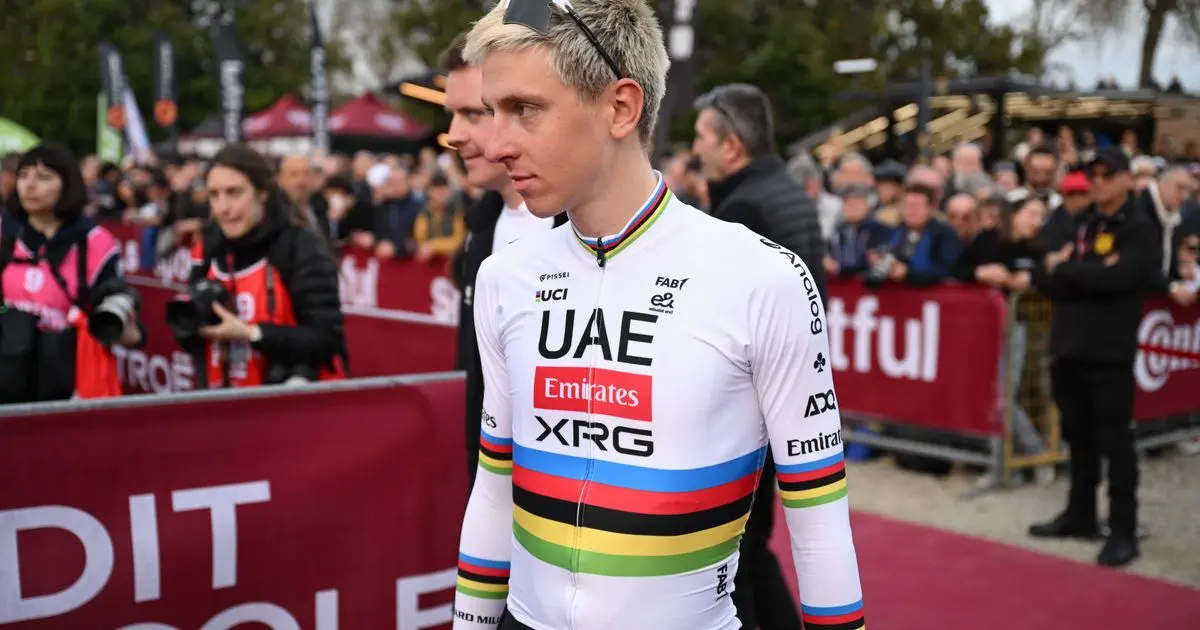
News across cycling communities erupted this week when photos of Tadej Pogacar’s noticeably different appearance circulated online. The images quickly triggered debate among fans and analysts, sparking speculation about training changes, health factors, and renewed rumors linked to doping allegations.
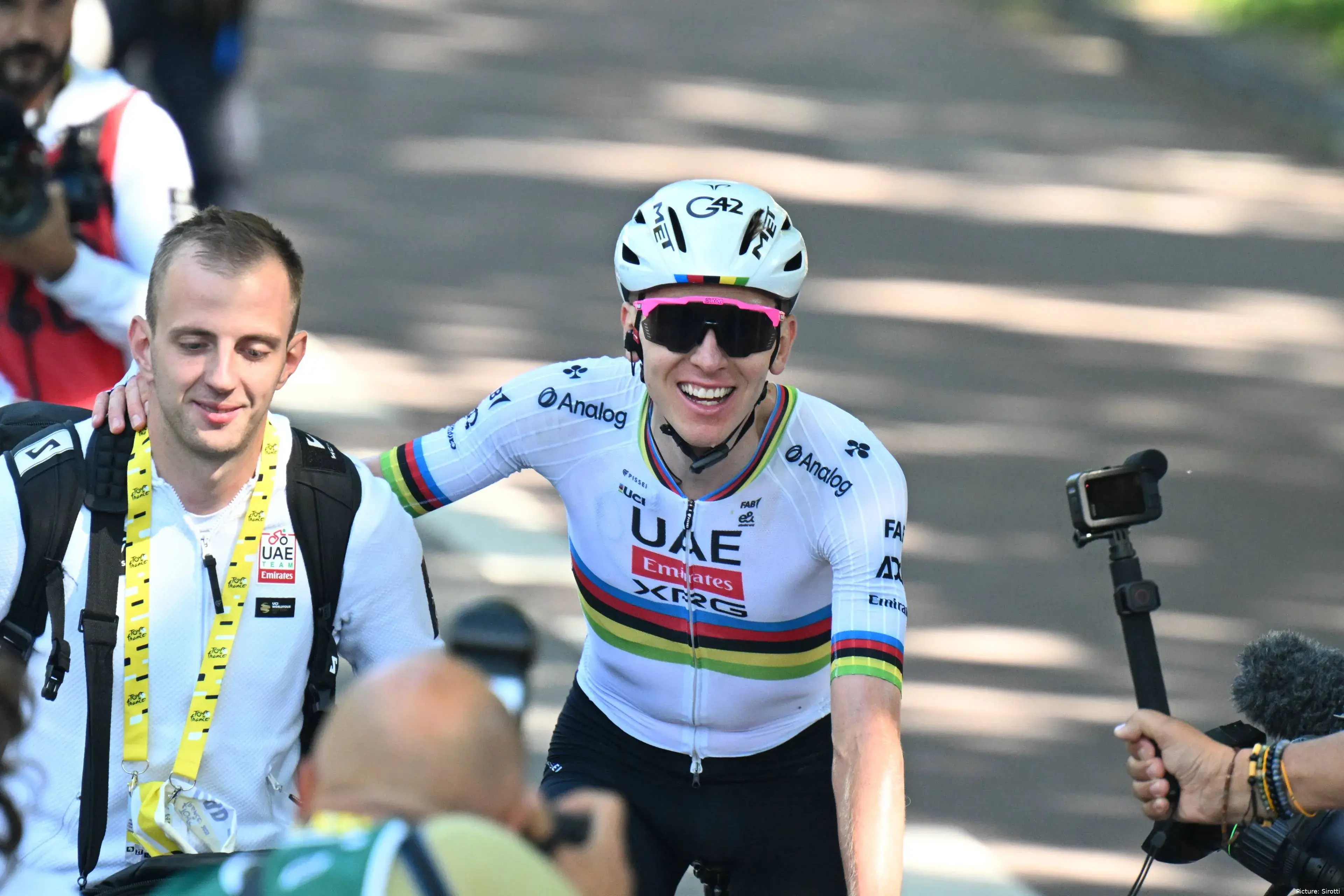
Cycling forums, sports talk shows, and social media platforms rapidly amplified the discussion. Some users praised the rider’s apparent physical transformation, while others questioned whether the timing, coming after recent racing dominance, might invite renewed scrutiny from critics online today.
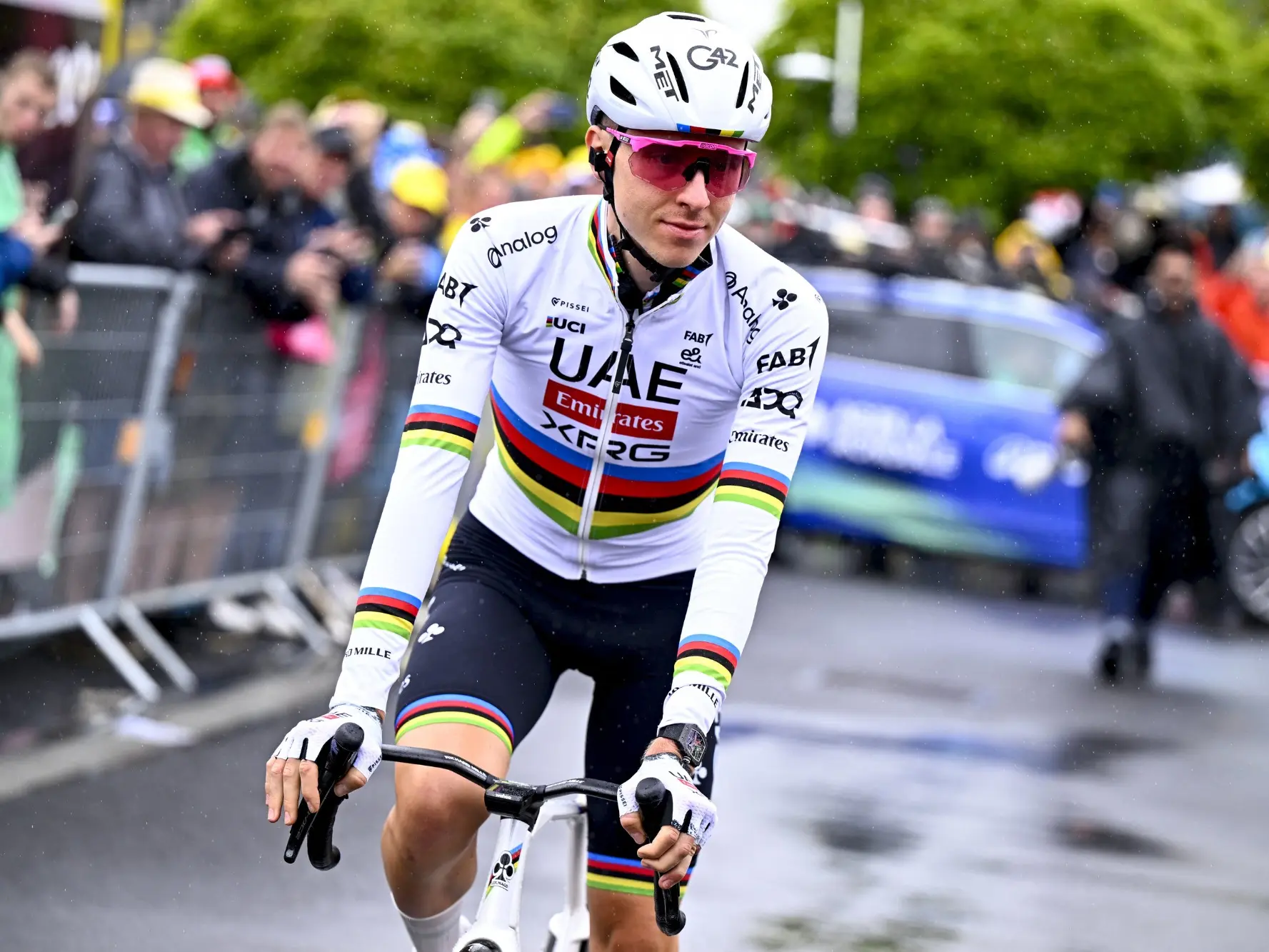
Importantly, no official body has announced any violation involving Pogacar. However, in professional cycling, a sport shaped by past doping scandals, even minor changes in performance, physique, or preparation can quickly fuel suspicion among observers and commentators worldwide this week.
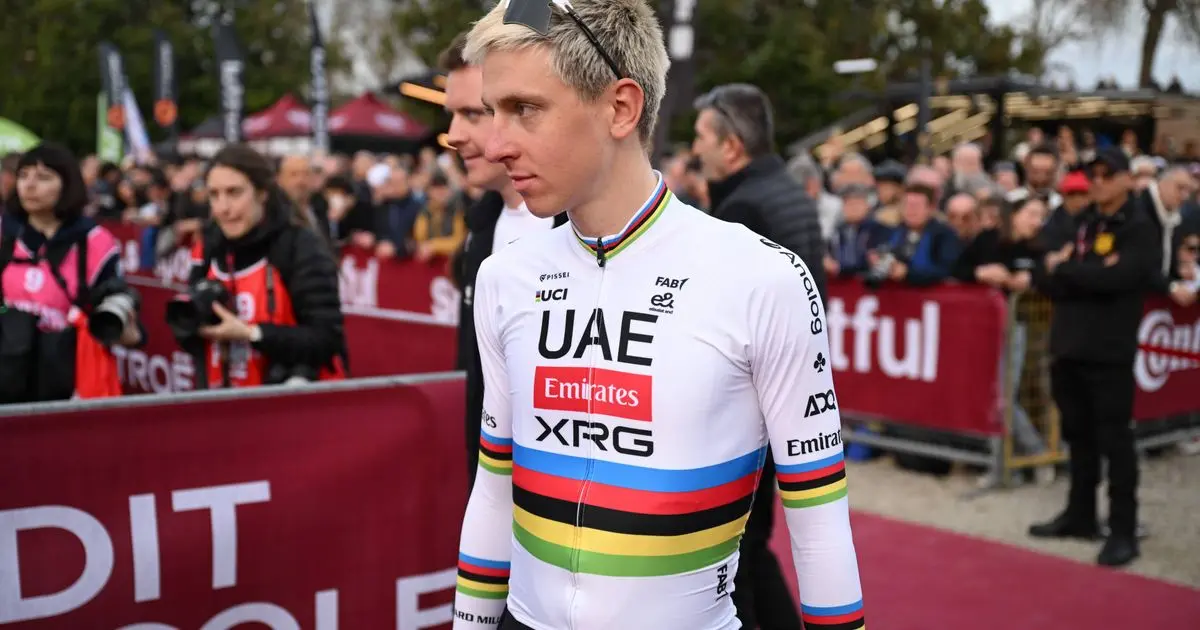
Several commentators pointed to newly released training photos where Pogacar appeared leaner and sharper than earlier in the season. Supporters argued the change reflected intense preparation and nutrition discipline, while skeptics suggested the transformation deserved closer attention from regulators too.
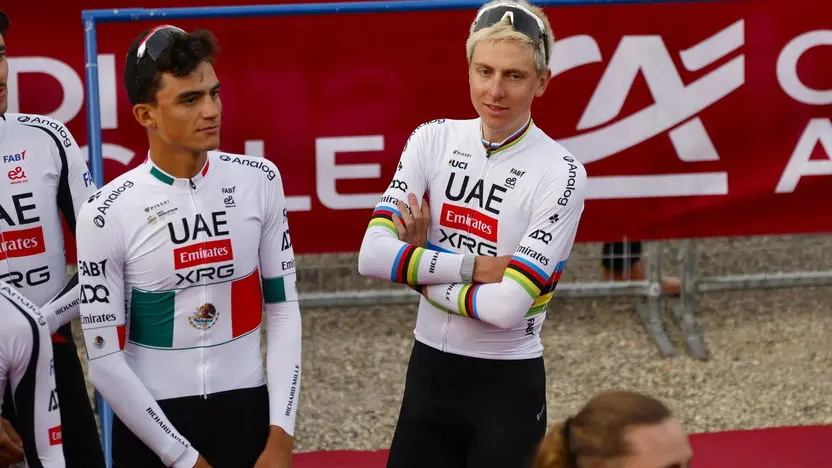
Rumors escalated further when anonymous posts claimed the cyclist was attempting to clean up his public image after supposed accusations. These claims spread quickly despite lacking evidence, demonstrating how rapidly speculation can expand within passionate global sports communities online today.
Fans divided into competing camps. One group insisted Pogacar’s achievements remain the result of extraordinary talent and relentless training. Another group argued cycling history teaches caution, urging journalists and governing bodies to maintain transparency and strict testing standards for everyone.
Amid the noise, cycling analysts reminded audiences that elite riders undergo extensive anti doping controls throughout the year. Random tests, biological passports, and laboratory monitoring are designed specifically to detect unusual patterns long before rumors appear in public debates online.
Still, the conversation intensified because Pogacar has dominated several major races in recent seasons. Dominance in cycling often attracts admiration and skepticism simultaneously, a legacy of the sport’s complicated history with performance enhancing drugs and past scandals remembered by fans.
Journalists attending recent events noticed the Slovenian star remained unusually calm while questions circulated online. Rather than responding immediately through interviews or social media, he continued focusing on training sessions and team preparations ahead of upcoming races this spring season.
That silence only intensified curiosity. Some observers interpreted it as strategic patience, while critics claimed the rider was avoiding confrontation. The lack of direct explanation allowed speculation to grow across international cycling communities and social media discussions worldwide this week.
Then came the moment many described as surprising. During a public team appearance, Pogacar addressed the topic briefly but firmly, refusing to engage with rumors and emphasizing that official testing systems already evaluate athletes fairly and consistently across professional cycling.
Instead of arguing with critics, he performed a simple gesture that quickly spread across sports media. The rider opened access to portions of his recent training data and preparation schedule, an unusual move meant to demonstrate transparency to fans everywhere.
Team officials later confirmed that the shared information had been carefully reviewed to avoid revealing competitive secrets. Nevertheless, the decision signaled confidence, suggesting the athlete felt comfortable allowing fans to see aspects of his preparation and daily routines more clearly.
For many supporters, that action ended the debate immediately. They argued an athlete attempting to hide wrongdoing would never voluntarily reveal training details or invite additional scrutiny from journalists and analysts across the cycling world so quickly after rumors emerged.
Critics, however, remained cautious. Some insisted that partial information cannot replace formal anti doping procedures carried out by laboratories and governing bodies, emphasizing that transparency gestures do not substitute for scientific verification within elite sports oversight systems worldwide today either.
Experts in sports science also entered the conversation, explaining that athletes appearances can change significantly through nutrition strategies, altitude training, and recovery programs. Such adjustments are common among professionals chasing marginal gains in extremely competitive endurance sports like cycling today.
They also warned about the dangers of online accusations spreading faster than verified facts. In the digital age, a single edited image or misleading comment can quickly influence thousands of fans across multiple platforms before corrections or evidence appear publicly.
Within Pogacar’s team, staff members attempted to redirect attention toward upcoming competitions. Coaches emphasized that the rider remained focused on performance goals rather than internet speculation or rumor cycles dominating online sports discussions across Europe and the wider cycling community.
Meanwhile, international cycling authorities reiterated that all top competitors are monitored under strict anti doping frameworks. These systems track blood markers over time, making sudden unexplained biological changes easier to detect during routine laboratory analysis and competition testing programs worldwide.
For neutral observers, the episode illustrated how quickly modern sports narratives form. A photograph, a rumor, and a few viral posts were enough to create a global debate around one athlete’s appearance and reputation within hours across international media platforms.
Some veteran cyclists expressed sympathy, recalling similar waves of suspicion during their own careers. They noted that rebuilding trust has been a long process for the sport after decades of damaging scandals and reforms aimed at restoring credibility among fans.
Others argued that intense questioning is part of maintaining credibility in professional cycling. According to them, transparency, strong testing, and open discussion are essential for ensuring that future champions are trusted by fans, sponsors, and governing institutions worldwide today.
As races approach, attention is gradually shifting back toward competition. Pogacar remains one of the favorites in upcoming events, meaning his performances will likely continue drawing intense analysis from commentators, analysts, journalists, and fans across the global cycling scene soon.
Whether the controversy fades or grows may depend on results and continued transparency. In modern sports culture, athletes often face scrutiny extending far beyond the finish line into digital debates, media commentary, fan speculation, and endless online discussion threads daily.
For now, the Slovenian champion’s single response opening part of his training information has quieted some voices while leaving others unconvinced. What remains certain is that cycling’s relationship with trust, performance, and scrutiny continues to evolve in the modern era.