
The moments immediately following a major defeat are often the most revealing in professional sports. For elite athletes, the emotional response to losing can provide more insight than any victory celebration. That appeared to be the case for Bryson DeChambeau, who reportedly spoke candidly about his disappointment shortly after a difficult loss. While defeats are an unavoidable part of professional golf, the emotions attached to them can remain intense, particularly when expectations are high and opportunities feel significant.
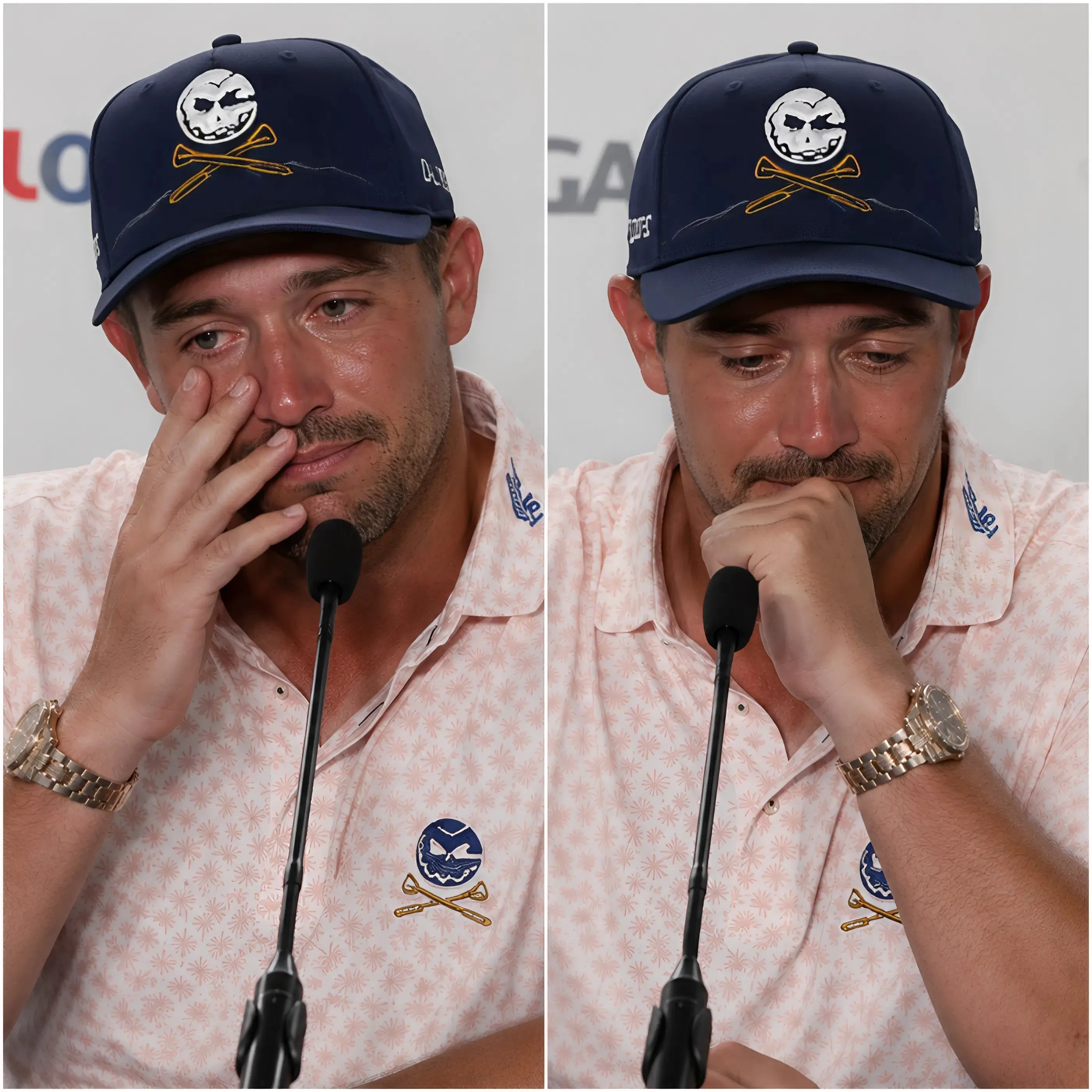
For many fans, DeChambeau has become one of the most fascinating personalities in modern golf. Known for his analytical approach, relentless preparation, and willingness to challenge conventional thinking, he has built a career on pushing boundaries. Because of that reputation, expectations often follow him into every tournament. When a player is consistently viewed as a contender, finishing short of a goal can feel especially frustrating, not only for the athlete but also for supporters who have invested emotionally in the journey.
Sources close to the event suggested that DeChambeau appeared visibly disappointed after the final round. However, disappointment should not automatically be interpreted as failure. In elite competition, emotional reactions often reflect ambition rather than weakness. Athletes who care deeply about their performance naturally feel the weight of missed opportunities. Sports psychologists frequently note that disappointment is often a byproduct of commitment. The greater the investment in preparation and achievement, the stronger the emotional response when outcomes fall short.

From a technical perspective, golf is uniquely demanding because success depends on consistency across multiple dimensions. A player may drive the ball exceptionally well yet struggle with approach shots. Another may putt brilliantly but lose strokes off the tee. Even a small decline in one area can significantly affect overall performance. For players competing at the highest level, the margin between victory and disappointment is remarkably small. A handful of shots spread across four rounds can completely alter the final result.
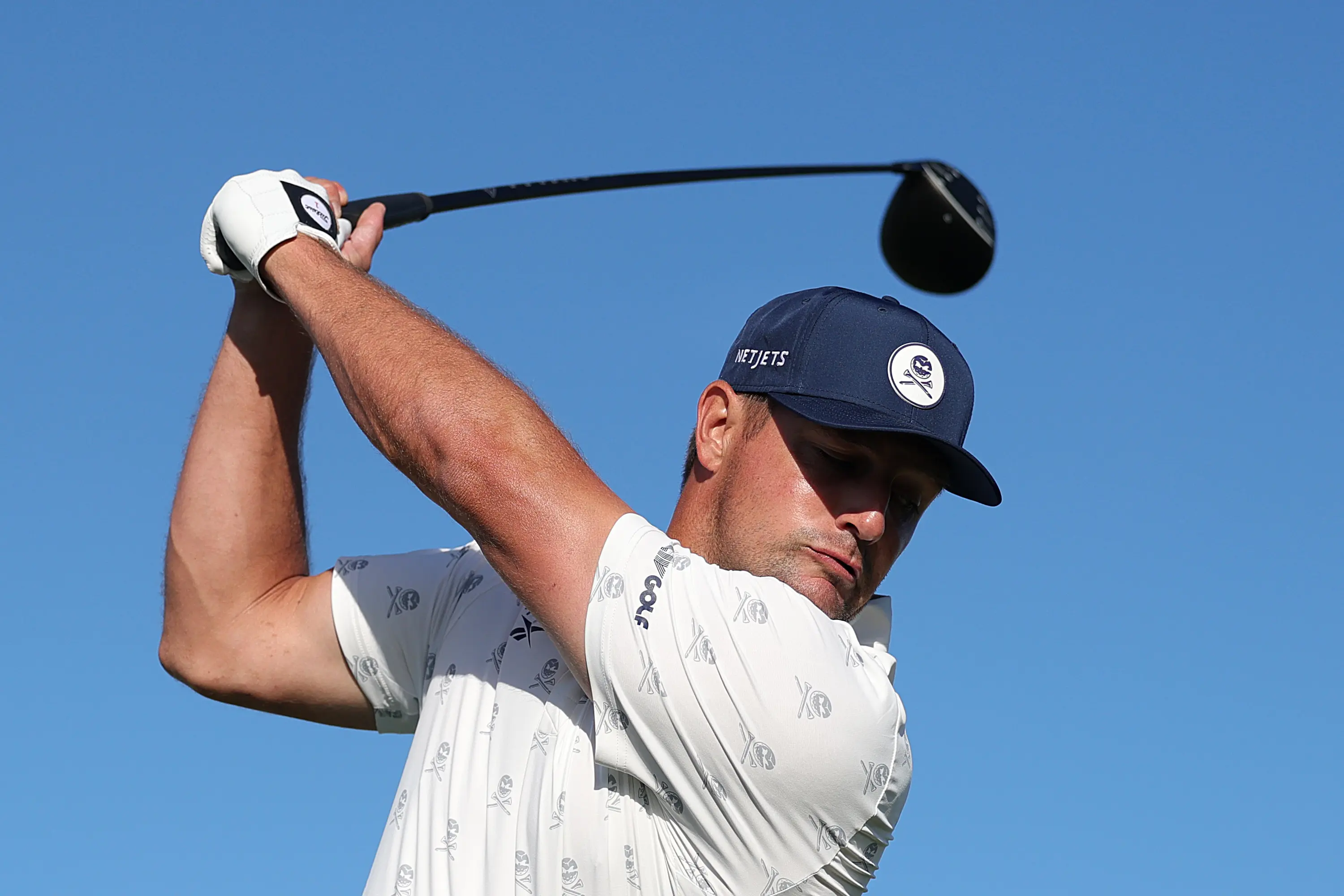
Observers noted that DeChambeau’s performance contained several positive elements despite the defeat. His power off the tee remained a major advantage, and there were stretches during the tournament where he looked capable of making a serious charge. However, golf rarely rewards isolated moments of brilliance. Success usually comes from maintaining precision and decision-making over an extended period. In highly competitive fields, even brief lapses can prove costly when every competitor is capable of producing world-class golf.
The emotional challenge of losing is particularly significant for athletes who hold themselves to extremely high standards. DeChambeau has always projected an image of meticulous preparation. His approach to training, equipment, and strategy reflects a desire to control every possible variable. Yet golf remains a sport where uncertainty cannot be eliminated entirely. Weather conditions, course setups, momentum swings, and countless other factors influence outcomes. Accepting that reality is one of the sport’s greatest mental challenges.
Experts often emphasize that resilience is not demonstrated during victories but during difficult periods. The ability to process disappointment constructively separates long-term champions from short-term performers. History shows that many of golf’s greatest achievements have emerged after painful setbacks. Defeats often force players to evaluate their games more honestly, identify weaknesses, and refine their preparation. In that sense, difficult tournaments can sometimes become valuable learning experiences rather than purely negative events.
Another factor worth considering is the enormous scrutiny that accompanies modern professional golf. Every round is analyzed, every interview dissected, and every emotional reaction shared across social media within minutes. This environment can make losses feel even more intense. Athletes are no longer processing disappointment privately; they often do so under the observation of millions of fans. Managing that attention requires emotional discipline as well as competitive toughness.
Many coaches believe that disappointment can be a powerful motivational tool when handled correctly. Rather than avoiding difficult emotions, successful athletes often use them as fuel for improvement. The key lies in maintaining perspective. One disappointing tournament does not define an entire season, just as one victory does not guarantee future success. Professional careers are built over years of consistent work, adaptation, and resilience. Temporary setbacks are often an unavoidable part of that process.
For DeChambeau, the coming weeks may be more important than the tournament itself. How an athlete responds after a difficult result frequently reveals more about future prospects than the result alone. Recovery involves both technical evaluation and mental reset. Players must determine which aspects of their game require adjustment while also preserving confidence in the strengths that have brought them success. Finding that balance is rarely easy, but it is essential for sustained performance.
Fans have responded to the situation with a mixture of sympathy and optimism. Many recognize that disappointment is a natural reaction for a competitor who expects a great deal from himself. Others point to DeChambeau’s history of bouncing back from adversity as evidence that this setback may ultimately prove temporary. Professional sports are filled with examples of athletes who transformed frustrating defeats into motivation for future achievements.
Ultimately, the story is less about a loss and more about the emotional reality of elite competition. Bryson DeChambeau’s reported disappointment reflects the mindset of a player who continues to pursue excellence despite the challenges that accompany it. In a sport where success is never guaranteed and perfection remains unattainable, setbacks are inevitable. What matters most is how players respond. If history is any guide, this latest disappointment may become not the end of a story, but simply another chapter in a career defined by determination, self-belief, and the constant pursuit of improvement.