
The cycling world has erupted into complete chaos after shocking reports claimed Filippo Zanoncello was allegedly thrown out of the 2026 Giro d’Italia following a horrifying on-bike collision involving fellow rider Donaldson during one of the race’s most intense moments.
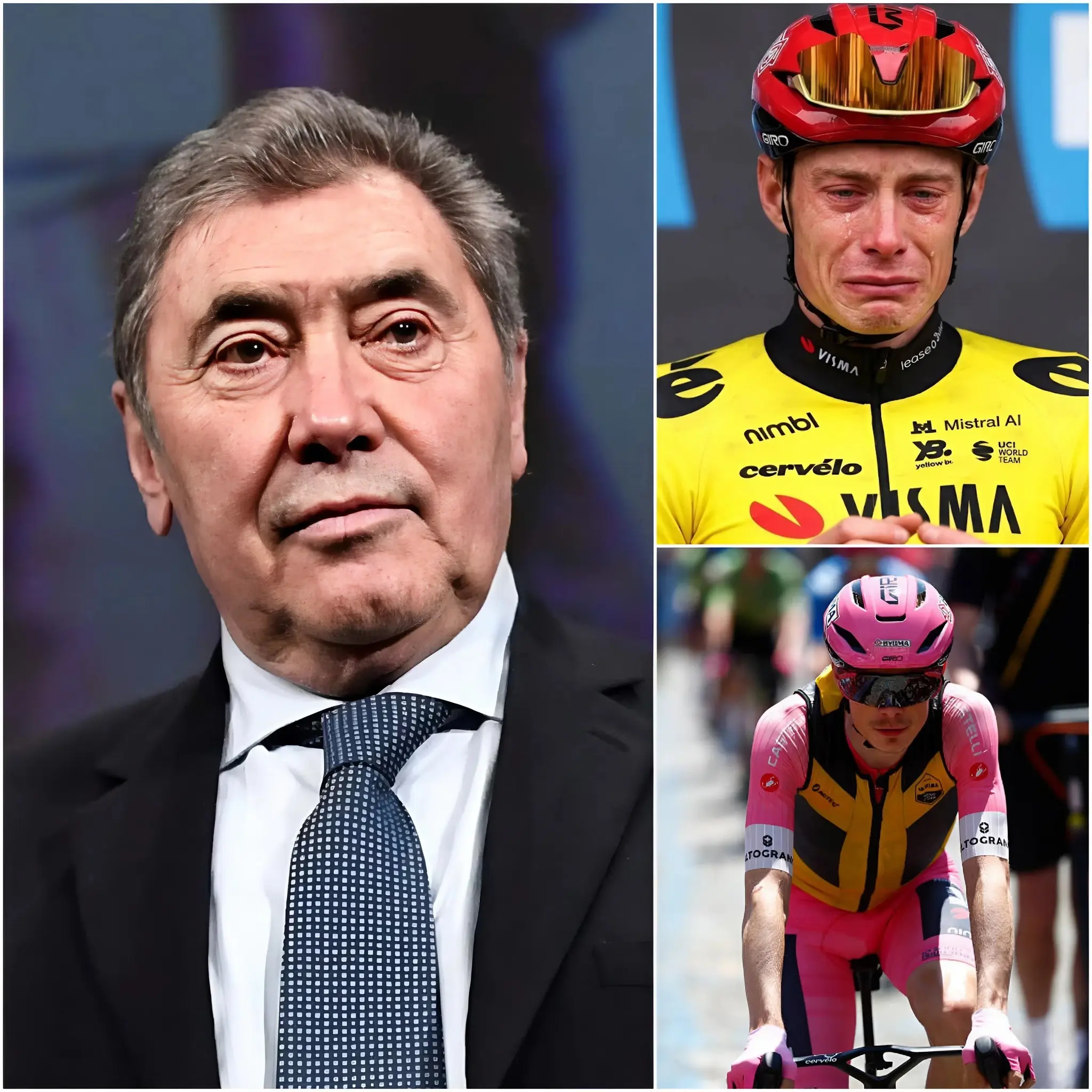
According to reports now spreading rapidly across cycling media and social platforms, the incident allegedly occurred at high speed inside a tightly packed section of the peloton, where witnesses claim Zanoncello appeared to make sudden contact with Donaldson in a way many fans are describing as deeply disturbing to watch.
But what truly detonated the controversy was the allegation that the contact may have involved a deliberate headbutt during the race itself.
Within minutes of the footage and reports emerging online, social media exploded into fierce debate.
Some fans immediately condemned the incident as reckless and dangerous behavior that could have caused catastrophic injuries under high-speed race conditions. Others argued the collision may have been accidental, claiming chaotic positioning, exhaustion, and aggressive movement inside the peloton often create split-second contacts that appear worse in slow-motion replays than they actually are in real time.
Still, the backlash intensified dramatically after reports claimed the Union Cycliste Internationale had already opened an urgent investigation into the incident.
That revelation immediately transformed the controversy from ordinary race drama into one of the biggest disciplinary stories currently shaking professional cycling.
According to several insiders quoted online, officials are allegedly treating the matter extremely seriously because of the potential danger created when riders make aggressive physical contact at high speed during elite competition.
“This isn’t just about sportsmanship anymore,” one cycling analyst reportedly explained during a televised discussion. “At those speeds, one dangerous movement can destroy careers.”
The possibility of severe punishment has now become one of the most explosive aspects of the story.
Some reports claim insiders inside the cycling world are warning Zanoncello could potentially face one of the harshest disciplinary actions seen in recent Giro d’Italia history if investigators determine the incident was intentional rather than accidental.
That speculation has sent cycling communities into absolute meltdown.
Supporters across social media are now obsessively replaying video clips, analyzing body movement frame by frame, and debating whether the contact looked deliberate or simply like a terrifying racing accident inside a crowded peloton.
Several fans insist the footage clearly shows aggressive intent.
Others strongly reject that interpretation.
“You cannot judge split-second movements at full race speed like that,” one supporter argued online while defending Zanoncello.
Others pointed toward the brutal reality of professional cycling itself, where riders constantly battle for position under enormous pressure while exhausted physically and mentally.
Still, many fans admitted the footage looked genuinely frightening regardless of intent.
Several viewers described feeling shocked watching the alleged contact because of how dangerous the situation could have become if either rider lost control completely.
At Giro racing speeds, even small collisions can trigger devastating crashes involving dozens of riders simultaneously.
That reality has only intensified public concern surrounding the incident.
Meanwhile, reactions throughout the cycling world remain deeply divided.
Some former riders and commentators have called for strong punishment if investigators conclude the action was deliberate, arguing the sport cannot tolerate physical aggression that risks rider safety under dangerous conditions.
“There has to be a line,” one former cyclist reportedly stated during an online discussion. “Competition is brutal enough already.”
Others, however, warned against rushing to judgment before the investigation finishes reviewing all available footage and rider testimony.
Several analysts pointed out that cycling incidents often appear dramatically different depending on camera angle, race context, and the physical instability riders experience while sprinting or fighting for position inside dense groups.
That uncertainty has now become central to the chaos consuming social media.
Some fans believe Zanoncello is being unfairly condemned publicly before official conclusions exist.
Others argue the seriousness of the alleged contact alone justifies immediate removal from the Giro regardless of final intent.
Meanwhile, concern for Donaldson has also become a major part of the discussion.
Supporters flooded online comment sections asking whether the rider suffered injuries from the incident and how emotionally shaken competitors inside the peloton may now feel following such a dramatic controversy.
Several cycling fans admitted the situation made them uncomfortable because professional cycling already carries enormous physical risk even without allegations involving deliberate aggression between riders.
“This sport is dangerous enough without riders attacking each other,” one commenter wrote online.
As the UCI investigation reportedly continues, pressure is now mounting rapidly on race officials, governing bodies, and team leadership to respond carefully and transparently.
Whatever conclusion eventually emerges could have enormous consequences — not only for Zanoncello personally, but also for how future dangerous conduct cases are handled throughout elite cycling.
And with social media continuing to spiral into arguments, accusations, and endless replay analysis, one thing already feels undeniable:
What happened during that Giro stage has become far bigger than a normal race incident.
Because whether fans ultimately view it as a horrifying accident or a deliberate act, the controversy has already shaken the cycling world in ways few people expected possible just hours earlier.
“This sport is dangerous enough without riders attacking each other,” one commenter wrote online.
As the UCI investigation reportedly continues, pressure is now mounting rapidly on race officials, governing bodies, and team leadership to respond carefully and transparently.
Whatever conclusion eventually emerges could have enormous consequences — not only for Zanoncello personally, but also for how future dangerous conduct cases are handled throughout elite cycling.
And with social media continuing to spiral into arguments, accusations, and endless replay analysis, one thing already feels undeniable:
What happened during that Giro stage has become far bigger than a normal race incident.
Because whether fans ultimately view it as a horrifying accident or a deliberate act, the controversy has already shaken the cycling world in ways few people expected possible just hours earlier.