
The death of Henry Nowak has sent shockwaves through his community and the wider public, with footage from the scene revealing a series of events that many have described as an absolute tragedy. “What was filmed there is a tragedy, an absolute tragedy. You can’t help but be affected by it. It’s very difficult to watch. I really feel for the family of Henry at this time,” he said. These words reflect the deep sense of shock and sorrow felt by those who have seen the disturbing images of the young man’s final moments and the response that followed.
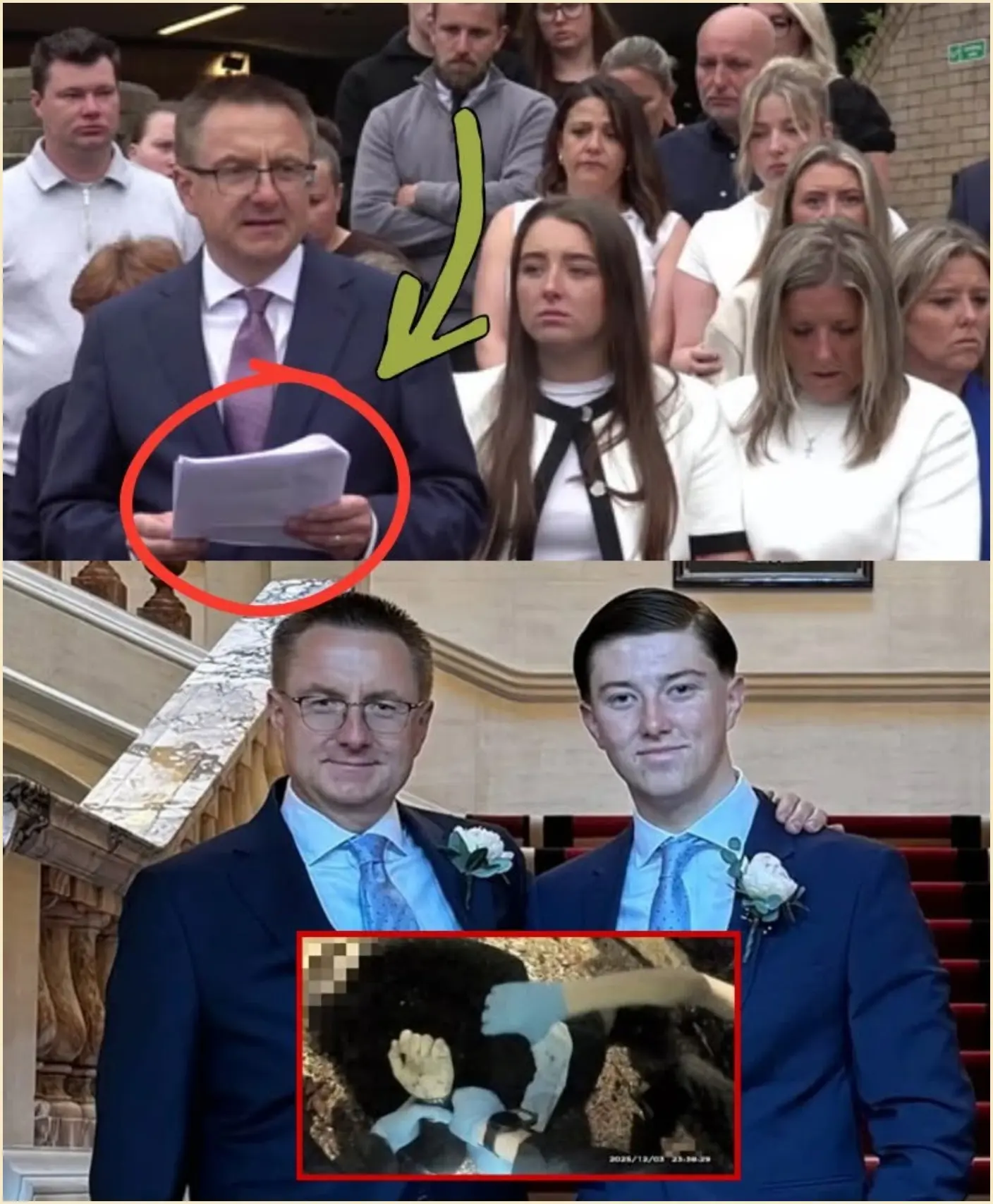
After the sentencing on Monday, Mark Nowak, Henry’s father, spoke openly about the family’s profound and lasting grief. He said that they would carry this grief “every single day for the rest of their lives.” The sudden loss of a son has left the family facing an empty future, with every day now marked by the absence of someone who should still be with them. The pain is constant and will never fully leave them.
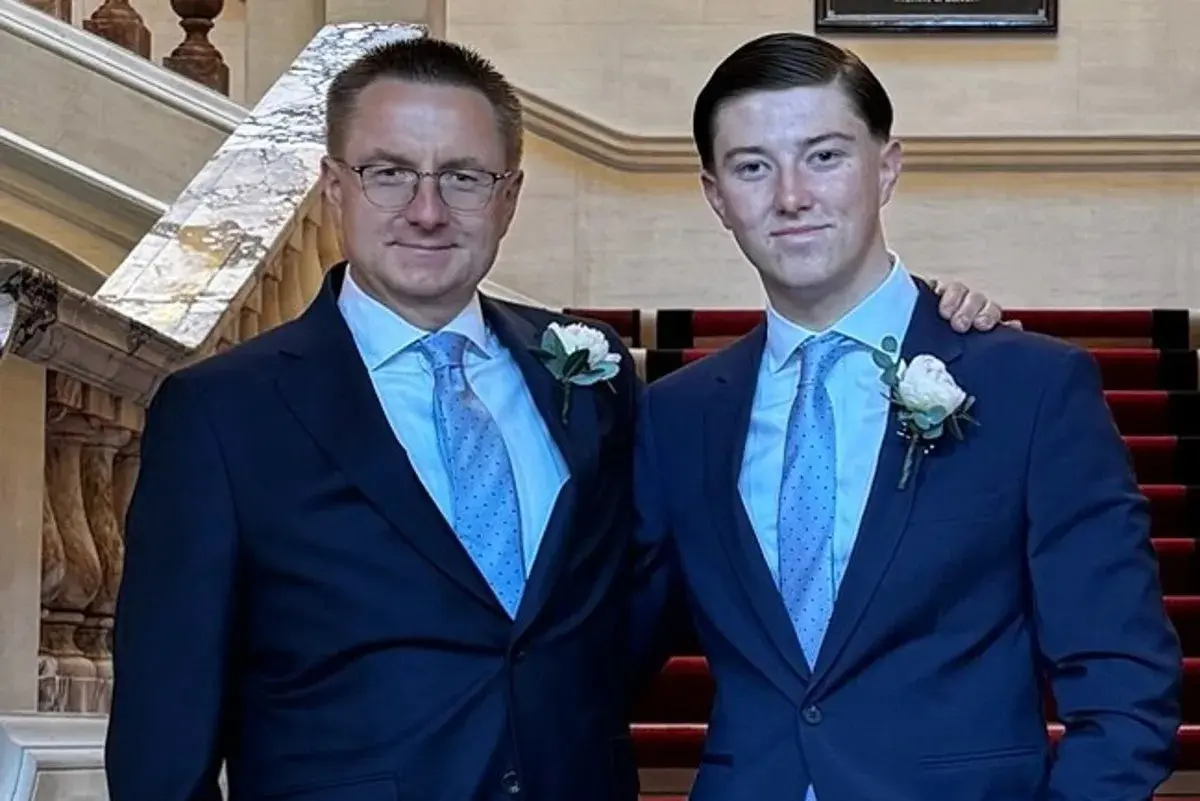
Mark Nowak also described it as “unbearable” to see how his son had been treated by police in comparison with his killer. The contrast in how the situation was handled has added an extra layer of anguish to an already devastating loss. Nevertheless, he made a clear and important statement: “We do not want his death to be used to create further division, hatred or tension.” This plea shows the family’s wish to focus on their own mourning and to prevent the tragedy from being turned into something that divides people further.
The circumstances surrounding Henry Nowak’s death have led to widespread condemnation and significant political reaction across the country. The case has become a major talking point, raising difficult questions about how police respond to emergencies, how they communicate with victims, and whether certain concerns can sometimes overshadow the most basic duty to protect life.
On Wednesday, Sir Keir Starmer accused Nigel Farage of exploiting the death to create “grievance and division.” The Prime Minister’s comments came after the Reform UK leader suggested the public should react with “pure cold rage” and accused the police of operating “two-tier policing.” This political clash has turned a family’s private grief into a national debate about fairness in policing and how tragedies are discussed in public life.
Speaking to the BBC, Boon said he did not recognise the term “two-tier policing.” He explained that he sees officers “day in, day out” carrying out their work for all communities. His remarks highlight the view from inside policing that officers generally try to do their jobs fairly, even as this particular case has drawn sharp criticism and calls for closer examination of procedures.
On Wednesday afternoon, Hampshire Police and Crime Commissioner Donna Jones told the BBC that she had spoken directly to the victim’s family. She said the family had called for calm in the wake of the sentencing and the public reaction that followed. This appeal for calm from those who have suffered the most stands in contrast to the heated political arguments that have developed around the case.
At the same time, the National Police Chiefs Council is examining whether a document setting out “anti-racism commitments” and related guidance needs to be changed. The review has been prompted by the criticisms that have emerged from the way officers dealt with Henry Nowak after he was attacked. It represents an effort to learn lessons and improve how police are trained to handle similar situations in the future.
The details of what happened when police arrived are particularly distressing and have been widely discussed. Henry Nowak was lying on the floor after being stabbed four times. He repeatedly told the officers that he had been stabbed, but one officer replied, “I don’t think you have mate.” He was then handcuffed. Even as he told officers “I can’t breathe,” he received no immediate medical help and died at the scene. The footage of these exchanges has shocked viewers and led many to question the officers’ judgment and priorities at a moment when urgent action was clearly needed.
The attack itself occurred on 3 December. Henry Nowak was walking home after spending the evening out with his football teammates. What should have been a normal night with friends ended in a violent and fatal stabbing that has left his family and community in mourning. The randomness of the attack on a young man simply making his way home has added to the sense of tragedy.
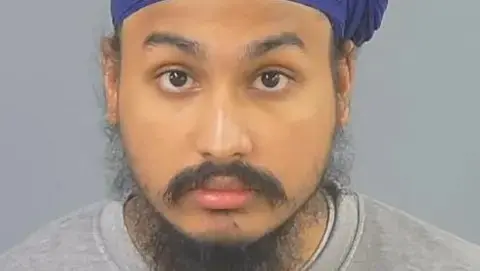
During the trial, Judge William Mousley told Digwa, who was found guilty of the murder, that he had brought shame upon his family and his religion. The judge’s strong words reflected the seriousness of the crime and the damage it has caused beyond the loss of one life.
Digwa’s mother, Kiran Kaur, who is 53, was also found guilty of assisting an offender. She had tried to hide the murder weapon after the attack, which obstructed the police investigation. Her conviction adds another painful dimension to the case, showing how the consequences of the crime extended into attempts to cover it up.
Conservative leader Kemi Badenoch described the incident as involving “multiple failures.” Shadow home secretary Chris Philp told Parliament that police “appeared more concerned with the accusation of racism” than with “helping Henry.” These comments from senior politicians underline the widespread view that something went seriously wrong in the emergency response and that lessons must be learned quickly.
The combination of the brutal attack, the deeply troubling police response captured on film, and the family’s ongoing grief has made this case one of national importance. Mark Nowak’s dignified request that his son’s death not be used to create more division offers a powerful message at a time when emotions are running high. The reviews now being carried out by police leaders may bring changes to training and guidance, but they cannot bring Henry back or ease the daily pain his family will continue to feel.
For the Nowak family, the grief is permanent. The footage of Henry’s final moments on the ground, pleading for help that did not come in time, serves as a lasting and painful record of a young life cut short and a response that failed when it was needed most. As political debate continues, the family’s call for calm and against the spread of hatred remains the clearest and most important reminder of what has truly been lost and what must be protected in the future.